
Concept / Romanticism
Romanticism
An art movement of the late eighteenth and nineteenth centuries emphasizing emotion imagination and the force of nature
An art movement of the late eighteenth and nineteenth centuries emphasizing emotion, imagination, and the force of nature.

Cat
Both languages share the English example images. Japanese prompts are the recorded translations.
A phrase to start with
Creates a dramatic scene suggesting emotion and the force of nature.
Appearance and effects
Active sky or terrain, strong light, and an emotional focus give the scene tension.
Visual traits
- Dramatic light
- Active nature
- Emotional tension
Expected changes
- Contrast of light and space is more likely to strengthen
- Movement in figures or nature is more likely to be emphasized
Five examples
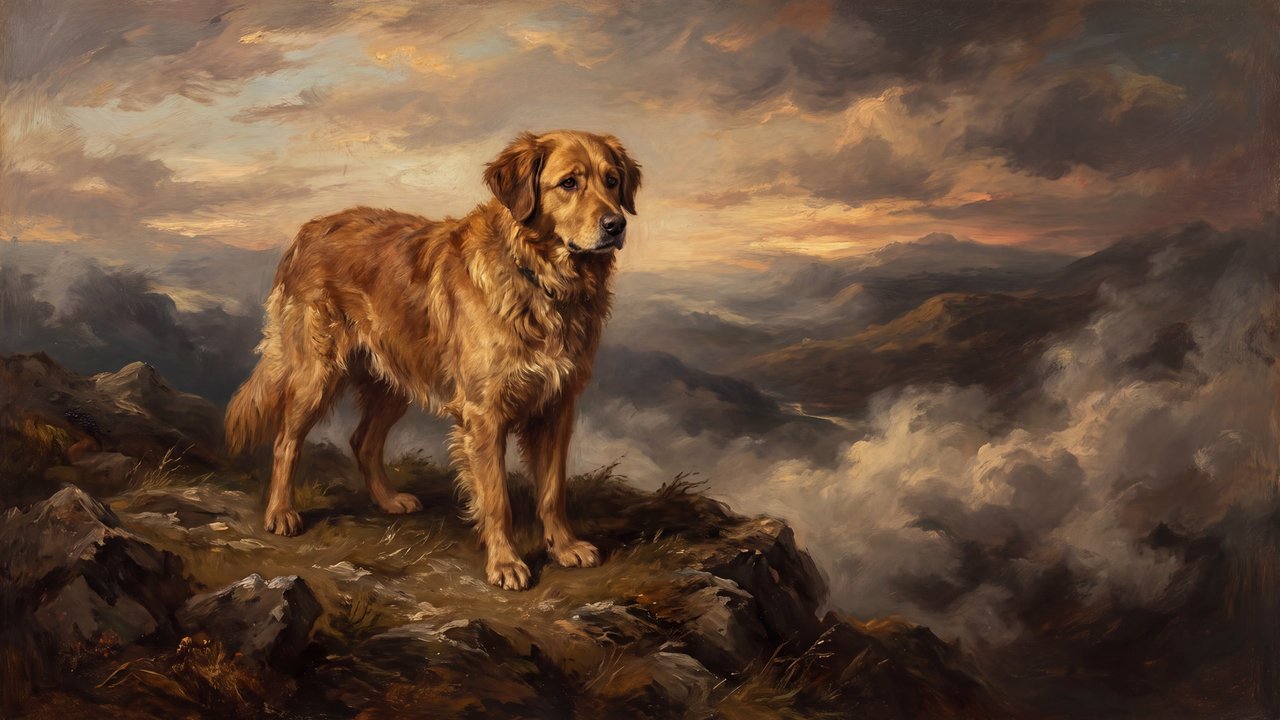
1 — Medium-sized dog
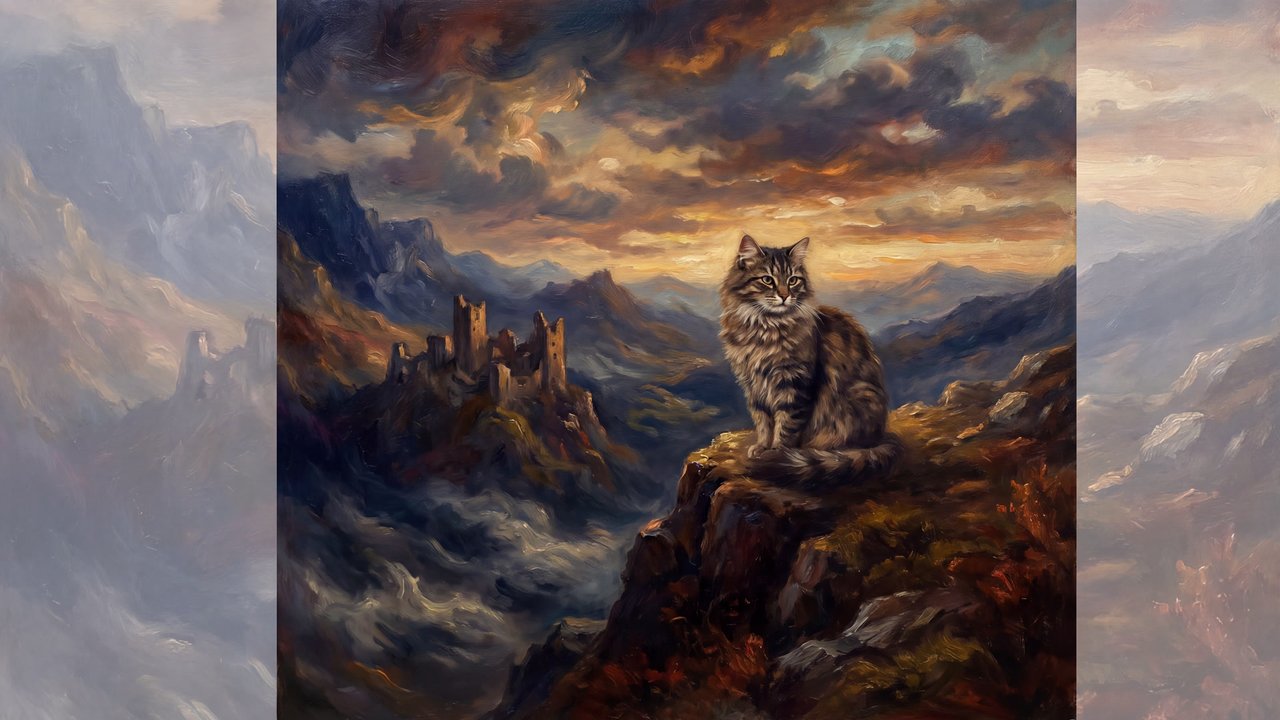
Open image ↗2 — Cat
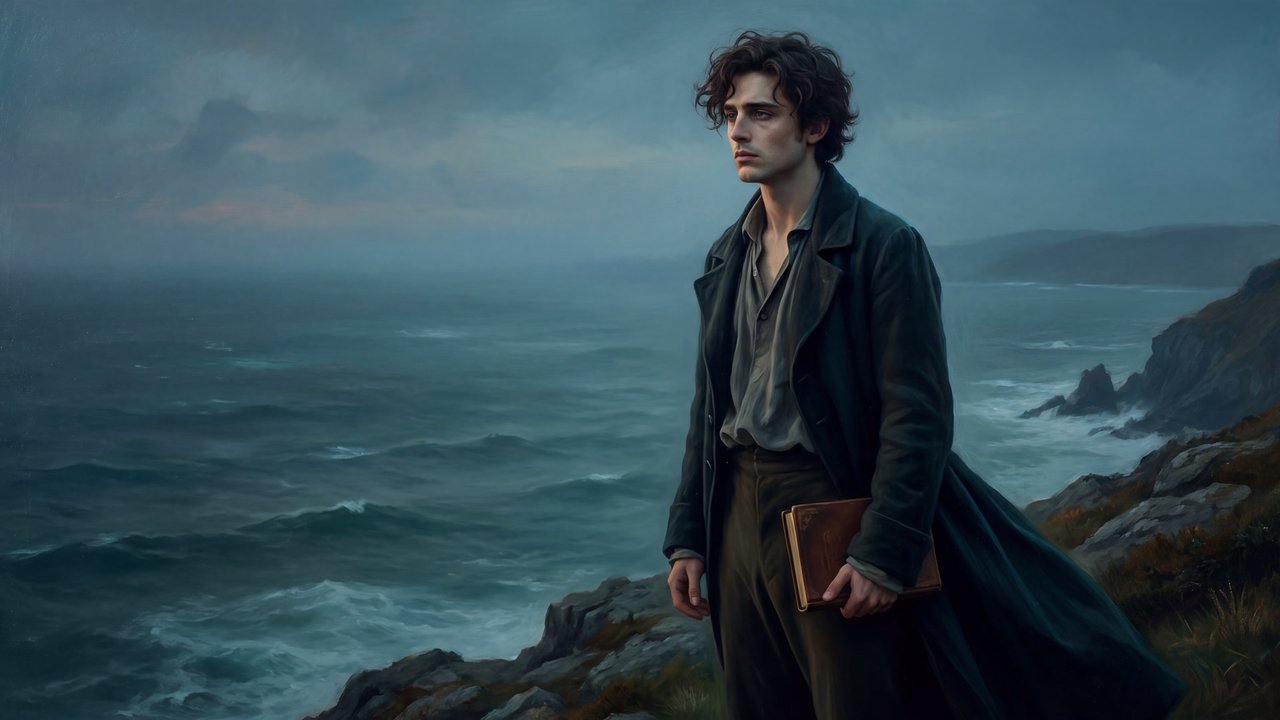
Open image ↗3 — Teenage boy
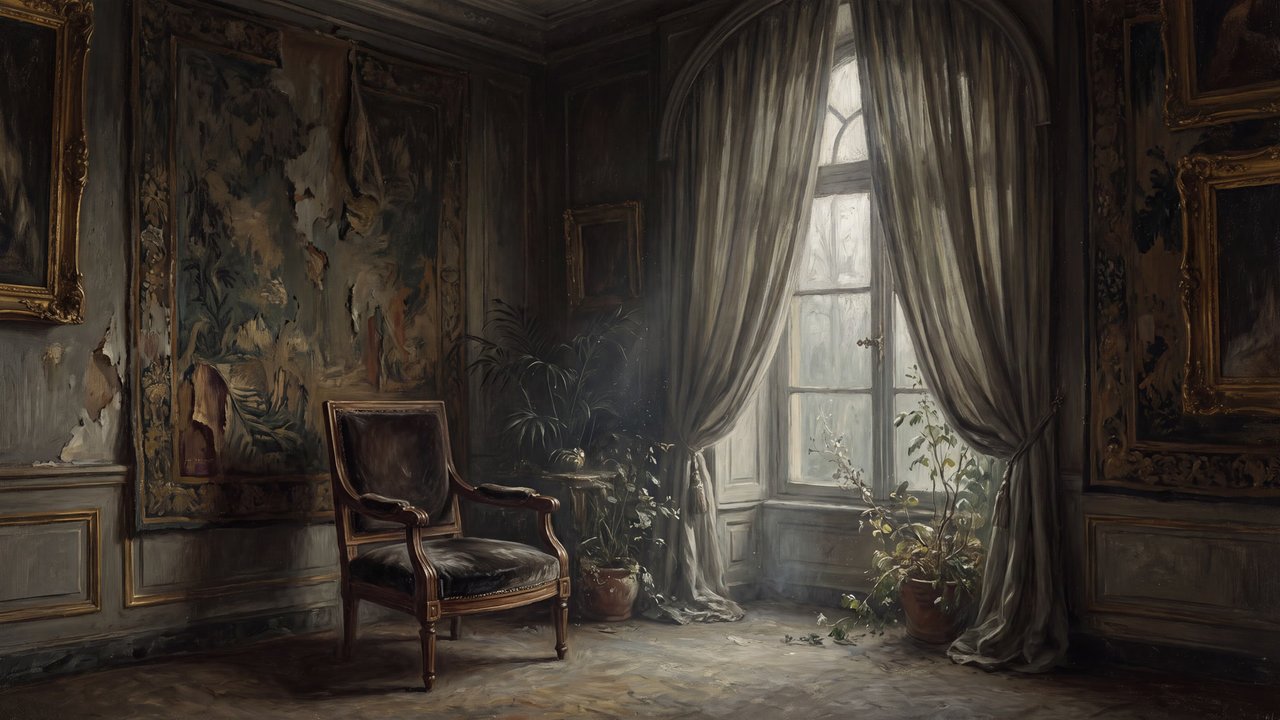
Open image ↗4 — Unoccupied interior
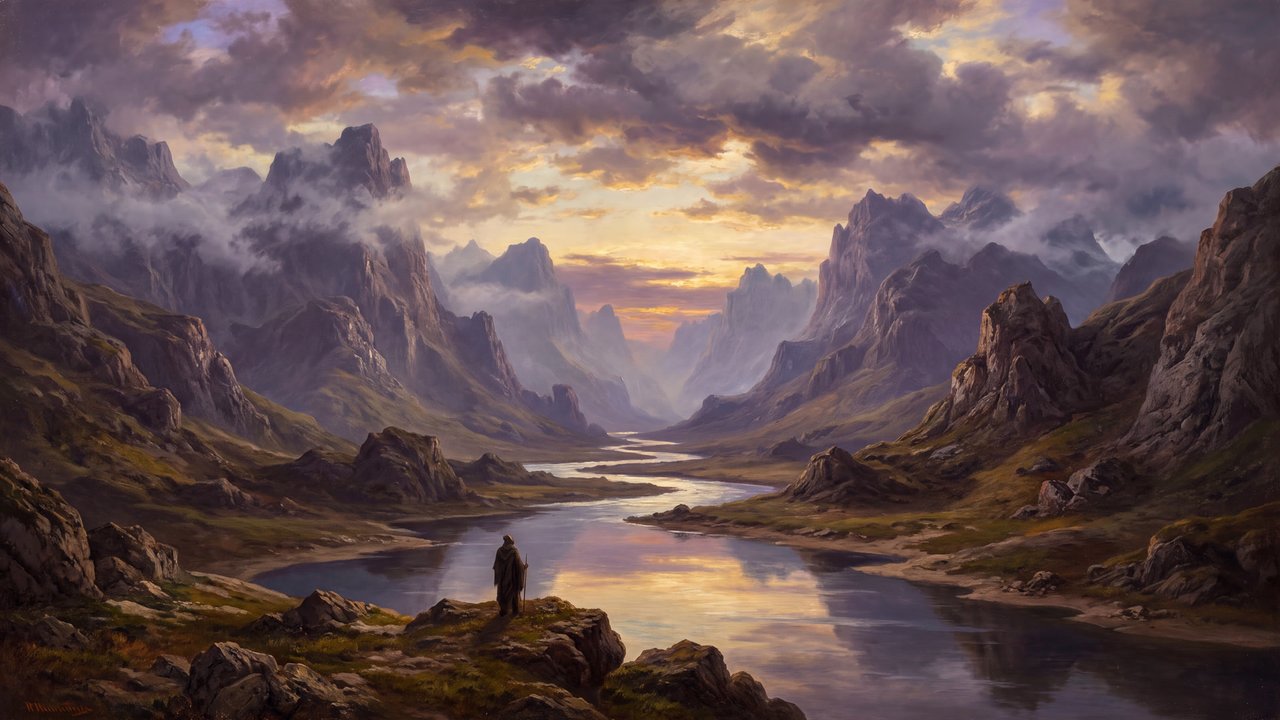
Open image ↗5 — Valley with a river and mountain ranges
Open image ↗Meaning and scope
Definition
Romanticism is a historical art movement that expresses subjective experience through strong emotion, dramatic light, and the overwhelming force of nature or events. It does not determine a particular artist, literary work, country, or period scene.
In more detail
It gives movement and emotional tension to the relation of figures, sky, terrain, and weather. Narrative, place, clothing, and a specific disaster remain separately selectable.
Includes
- Strong emotion
- Dramatic light
- Composition suggesting natural force
Excludes
- Imitation of a particular artist or literary work
- A particular historical event
- A direction to depict landscape alone
What this does not imply
- A particular artist
- work
- or country
- A particular historical event or literary scene
- Specific weather
Variability
The intensity of emotion and weight of natural elements can be adjusted to the subject.
Usage and adjustments
Usage
- Show emotion and natural force through composition
- Specify narrative separately
Distinguish similar expressions
- Verify a particular work or historical event separately
Typical uses
- Create an emotionally intense figure image
- Depict a scene that suggests natural force
Possible failure modes
- It becomes merely a dark scene
- It becomes imitation of a particular work
Content updated:
From the same theme
Items linked through explicit membership in the same theme.


Cat
Concept
Romanesque Art
A medieval European art style marked by forceful simplified forms and ornamental repetition.
Compare ↗