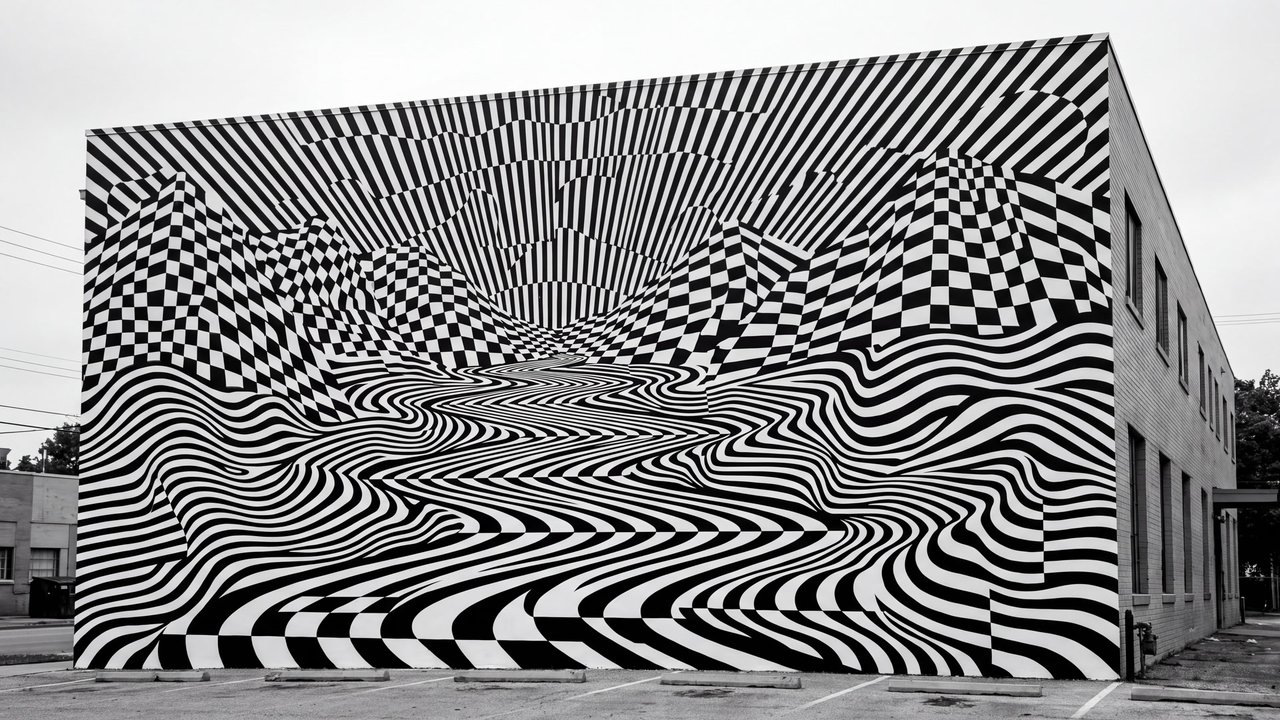

Concept / Op Art
Op Art
An art movement using optical illusion and perceptual change
An art movement using optical illusion and perceptual change.

Cat
Both languages share the English example images. Japanese prompts are the recorded translations.
A phrase to start with
Directs the image toward a general visual tendency associated with the movement.
Appearance and effects
Optical rhythm and shifting geometric contrast are likely visible.
Visual traits
- characteristic forms
- characteristic color fields
Expected changes
- Characteristic forms and color fields are more likely to appear
Five examples
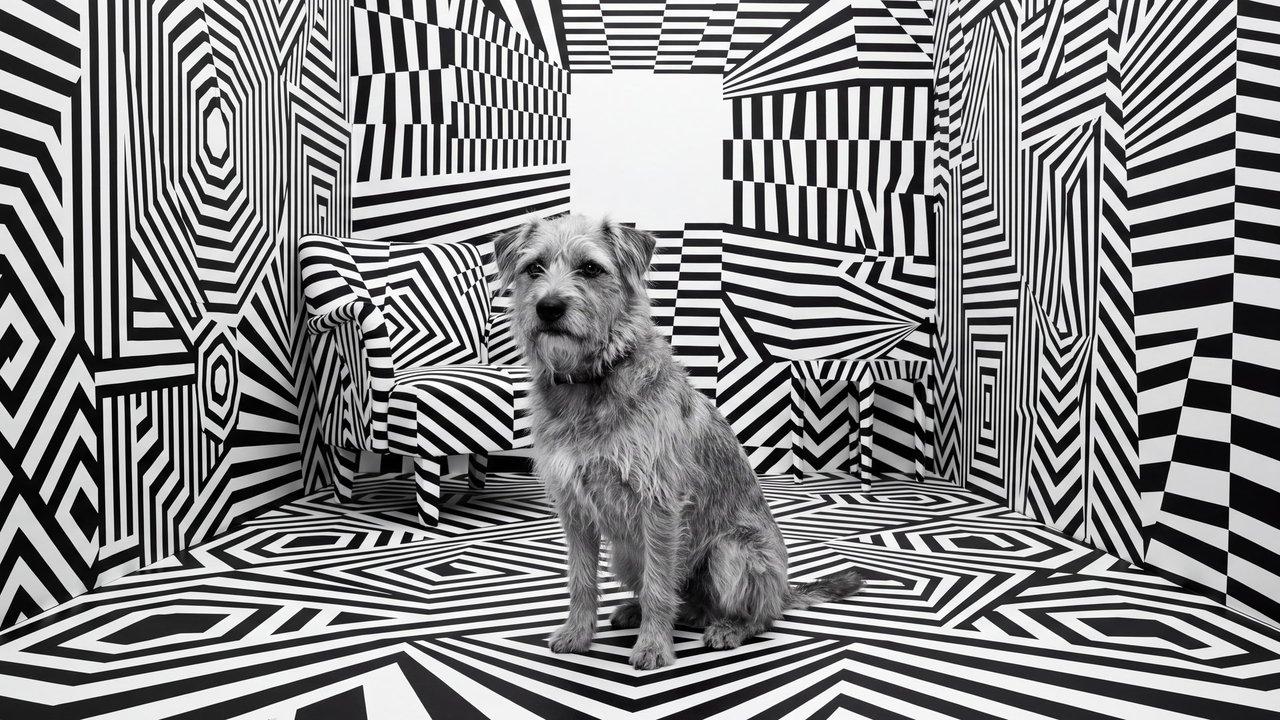
1 — Medium-sized dog
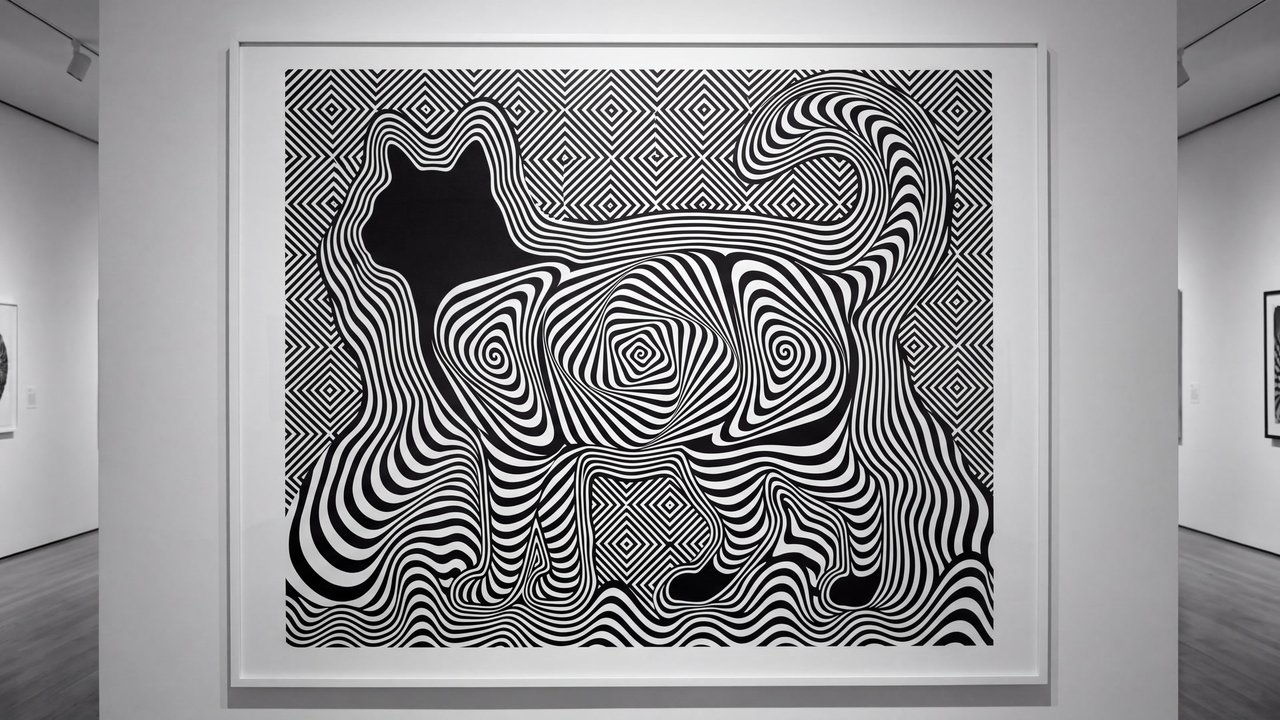
Open image ↗2 — Cat
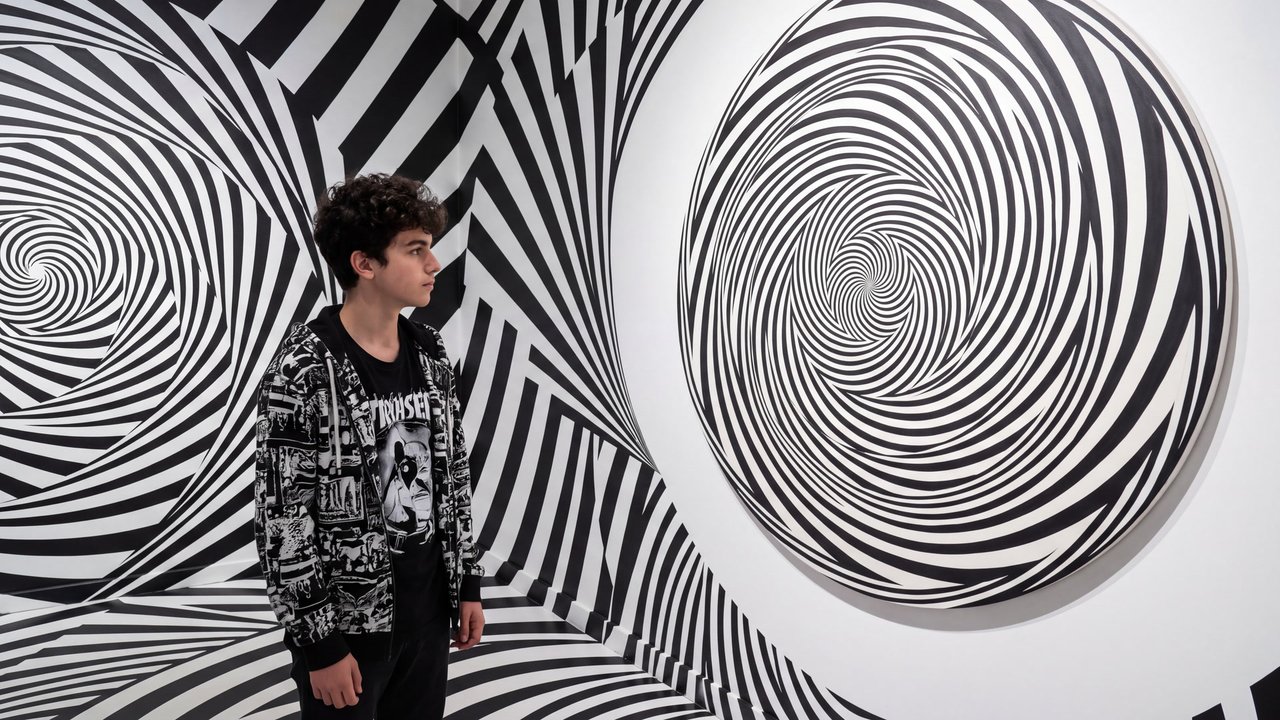
Open image ↗3 — Teenage boy
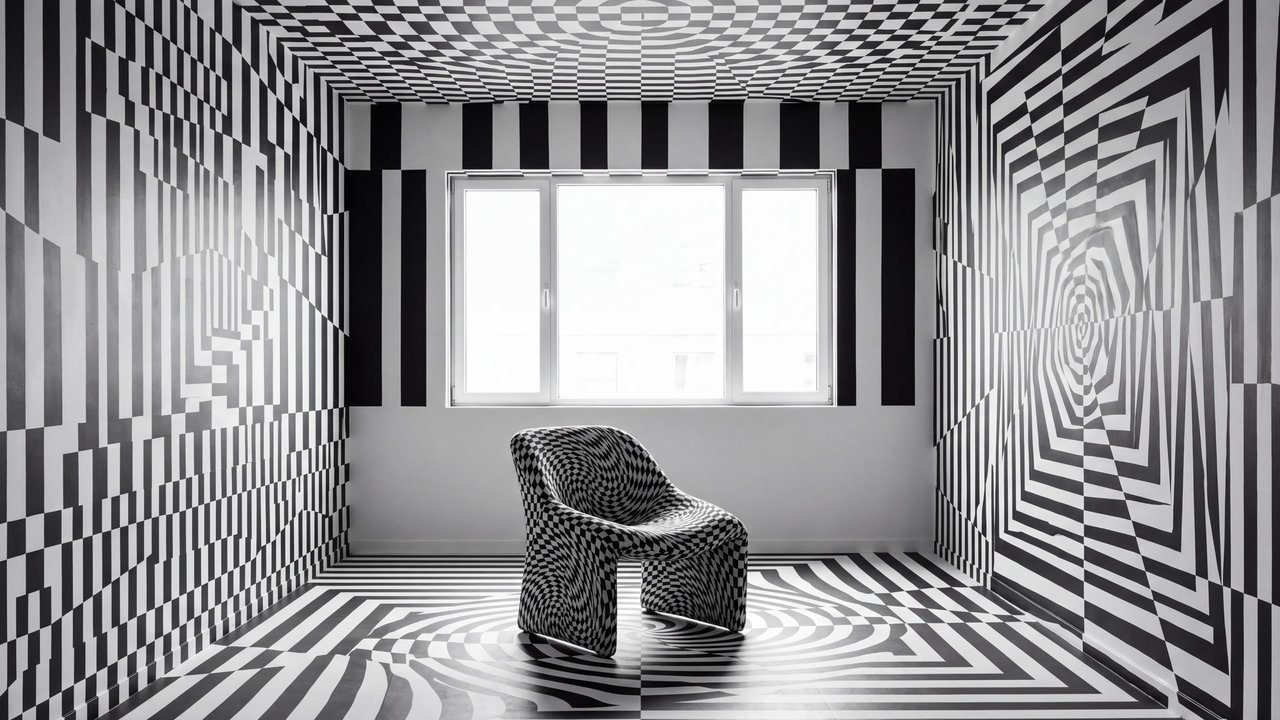
Open image ↗4 — Unoccupied interior
Open image ↗5 — Valley with a river and mountain ranges
Open image ↗Meaning and scope
Definition
An art movement using optical illusion and perceptual change. It does not designate a particular artist or work.
In more detail
The historical movement is distinct from a general visual tendency.
Includes
- An art movement using optical illusion and perceptual change
Excludes
- Imitation of a particular artist or work
- A particular region or period setting
What this does not imply
- A particular artist, work, or region
- A particular narrative or subject
Variability
Its strength varies with subject and composition.
Usage and adjustments
Usage
- Specify subject and composition separately
Distinguish similar expressions
- Distinguish from imitation of a particular artist or work
Typical uses
- Apply the visual tendency to a subject
Possible failure modes
- The characteristic becomes generic decoration
Content updated:
From the same theme
Items linked through explicit membership in the same theme.


Cat
Concept
Romanesque Art
A medieval European art style marked by forceful simplified forms and ornamental repetition.
Compare ↗