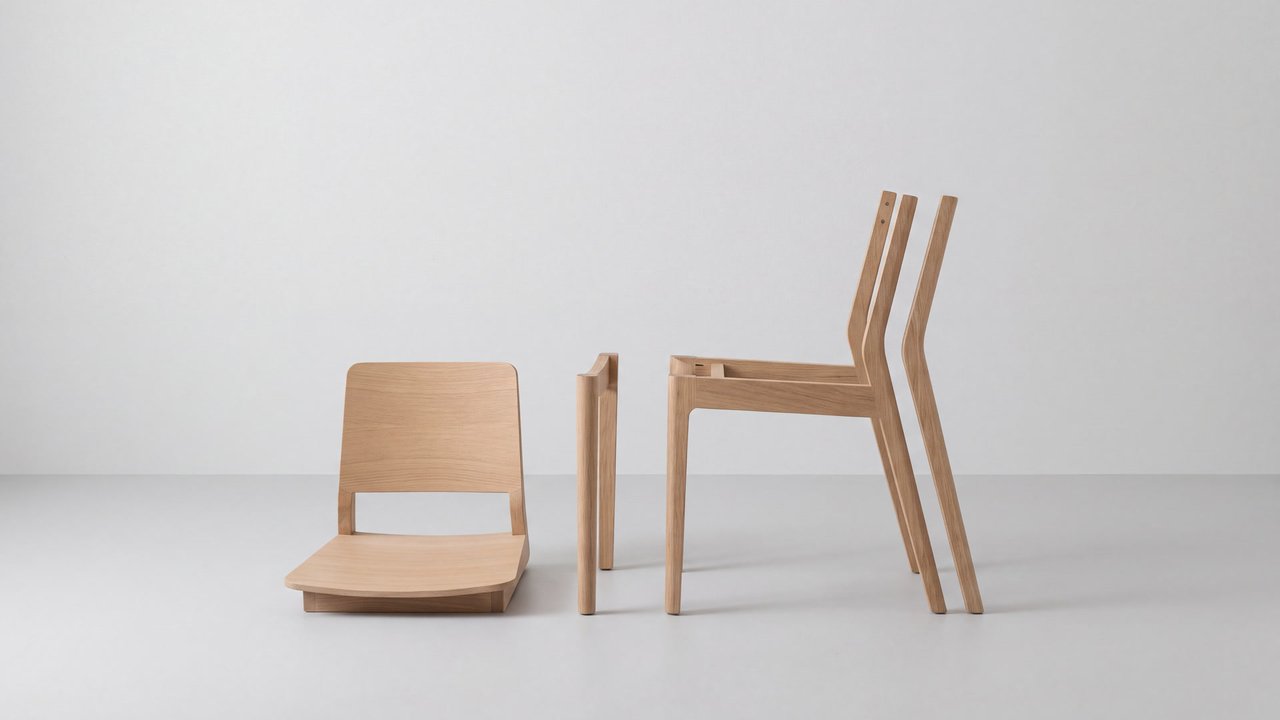
Concept / Many subjects or elements
Many subjects or elements
A quantity arrangement in which five or more independent subjects or elements recur in the image
A quantity arrangement in which five or more independent subjects or elements recur in the image.

A single panel against a plain background
The standard boy comparison motif is a single subject and conflicts with a many-subjects arrangement, so it is replaced with one neutral object that does not pre-stage a large set.
Both languages share the English example images. Japanese prompts are the recorded translations.
A phrase to start with
Places five or more independent subjects or elements in the image.
Appearance and effects
Five or more subjects or elements recur in the image as independently countable items.
Visual traits
- five or more
- independently countable subjects
- recurring arrangement
Expected changes
- Five or more subjects or elements are more likely to be separately countable
Five examples
1 — A single cube against a plain background
The standard dog comparison motif is a single subject and conflicts with a many-subjects arrangement, so it is replaced with one neutral object that does not pre-stage a large set.
a single neutral cube against a plain background with no additional subjects or elements
- a single neutral cube against a plain background
- a state with no additional subjects or elements
2 — A single sphere against a plain background
The standard cat comparison motif is a single subject and conflicts with a many-subjects arrangement, so it is replaced with one neutral object that does not pre-stage a large set.
a single neutral sphere against a plain background with no additional subjects or elements
- a single neutral sphere against a plain background
- a state with no additional subjects or elements
3 — A single panel against a plain background
The standard boy comparison motif is a single subject and conflicts with a many-subjects arrangement, so it is replaced with one neutral object that does not pre-stage a large set.
a single neutral panel against a plain background with no additional subjects or elements
- a single neutral panel against a plain background
- a state with no additional subjects or elements
4 — A single chair against a plain background
The standard unoccupied-room comparison motif has no subjects and conflicts with a many-subjects arrangement, so it is replaced with one neutral object that does not pre-stage a large set.
a single neutral chair against a plain background with no additional subjects or elements
- a single neutral chair against a plain background
- a state with no additional subjects or elements
5 — A single stone against a plain background
The standard valley-landscape comparison motif has no independent subjects and conflicts with a many-subjects arrangement, so it is replaced with one neutral object that does not pre-stage a large set.
a single neutral stone against a plain background with no additional subjects or elements
- a single neutral stone against a plain background
- a state with no additional subjects or elements
Meaning and scope
Definition
Many subjects or elements is a quantity arrangement in which five or more independent subjects or elements recur in the image. It excludes one single-subject, two in a pair, and three or four in few-subjects. It does not determine a crowd, density, shared kind, or joint activity.
In more detail
It concerns there being five or more independently countable subjects or elements. It specifies number only and does not infer a social crowd, dense arrangement, a shared kind, or a shared purpose or activity.
Includes
- Five or more independently countable subjects or elements
Excludes
- One single-subject, two in a pair, or three or four in few-subjects
- A crowd, dense arrangement, shared kind, or joint activity
What this does not imply
- A crowd, density, shared kind, joint activity, subject type, identity, action, or relationship
Variability
Subject or element type, placement, spacing, and setting can be adjusted separately.
Usage and adjustments
Usage
- Specify five or more subjects or elements that can be counted independently
Distinguish similar expressions
- Use single-subject for one, pair for two, and few-subjects for three or four
Typical uses
- Compose five or more independent subjects or elements in an image
Possible failure modes
- Four or fewer appear, elements merge and cannot be counted, or the result is fixed as a crowd or joint activity
Content updated:
From the same theme
Items linked through explicit membership in the same theme.