Concept / Hybrid anatomy
Hybrid anatomy
A composite body form in which anatomical features from different biological, mechanical, or other sources are integrated into one body
A composite body form in which anatomical features from different biological, mechanical, or other sources are integrated into one body.

Teenage boy
Both languages share the English example images. Japanese prompts are the recorded translations.
A phrase to start with
Directs the scene toward a composite body form with anatomy from different sources integrated into one body.
Appearance and effects
Body features from different sources appear integrated into one body rather than separate.
Visual traits
- one integrated body
- anatomical features from different sources
- composite form
Expected changes
- Body features from different sources are more likely to integrate into one body.
- The result is more likely to read as body structure rather than external equipment.
Five examples
1 — Medium-sized dog
Open image ↗2 — Cat
Open image ↗3 — Teenage boy
Open image ↗4 — A single coherent living subject in a room
An unoccupied quiet scene has no body that can receive composite anatomy, so it is replaced with one coherent living subject that does not pre-stage a hybrid form.
a single living subject in a quiet room without anatomical features combined from different sources
- a single living subject without anatomical features combined from different sources
- a quiet room
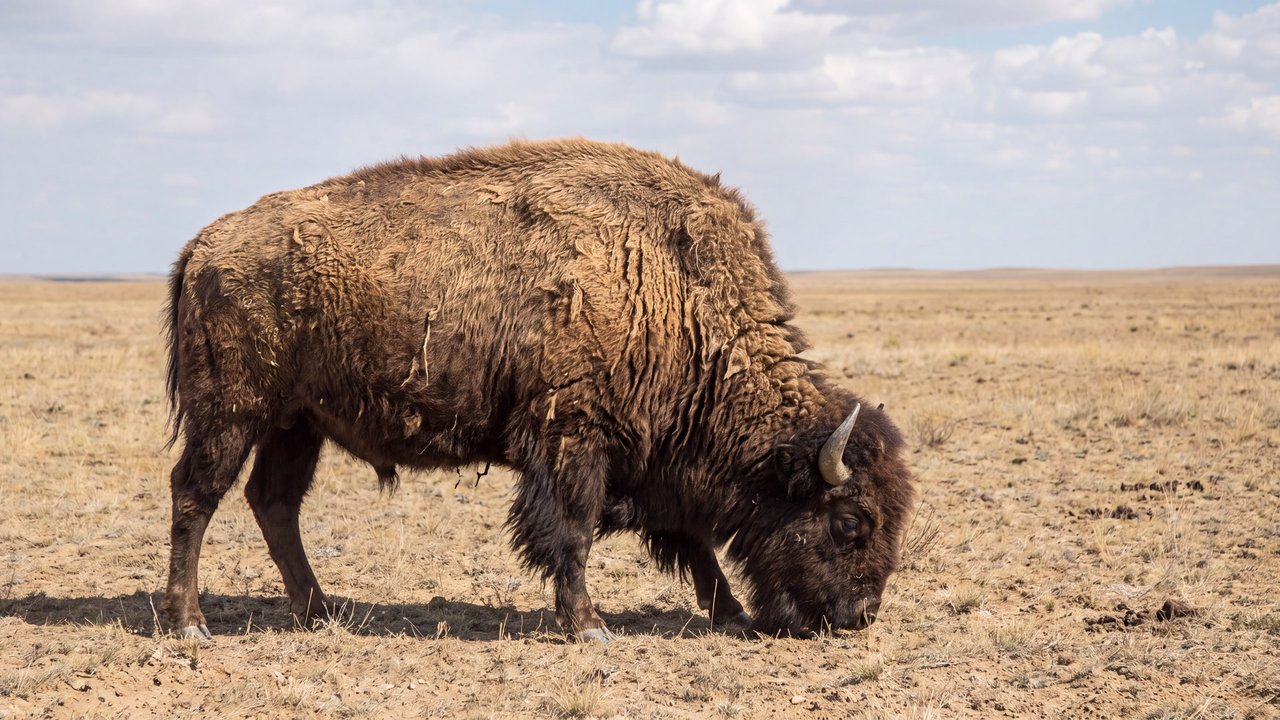
5 — A single coherent living subject in a landscape
A landscape alone has no body that can receive composite anatomy, so it is replaced with one coherent living subject that does not pre-stage a hybrid form.
a single living subject in an open landscape without anatomical features combined from different sources
- a single living subject without anatomical features combined from different sources
- an open landscape
Meaning and scope
Definition
Hybrid anatomy is a composite body form in which anatomical features from different biological, mechanical, or other sources are integrated into one body. It does not determine specific species, cultural mythology, magic, personality, morality, injury, or the number of combined sources.
In more detail
It concerns anatomy in which features from different sources are integrated into one body. It is distinct from humanlike anatomy alone, mechanical anatomy alone, external clothing or equipment, and injury-based deformation.
Includes
- A composite body form with anatomical features from different sources integrated into one body.
Excludes
- A specific species.
- Cultural mythology or magic.
- Personality or morality.
- Injury.
- The number of combined sources.
- Humanlike or mechanical anatomy alone.
What this does not imply
- A specific species.
- Cultural mythology.
- Magic.
- A personality.
- Morality.
- Injury.
- The number of combined sources.
Variability
The sources of integrated features, visible extent, body orientation, and degree of combination can be adjusted separately.
Usage and adjustments
Usage
- Use it to integrate anatomical features from different sources into one body.
Distinguish similar expressions
- Specify species, cultural mythology, magic, personality, injury, or the number of combined sources separately only when needed.
Typical uses
- Specify a composite body form with anatomical features from different sources integrated into one body.
Possible failure modes
- The features appear as separate subjects.
- They read as equipment or clothing.
- Mythology, magic, or injury meaning is added automatically.
Content updated:
From the same theme
Items linked through explicit membership in the same theme.