Concept / Dye
Dye
A coloring material that imparts color to fibers and related materials
A coloring material that imparts color to fibers and related materials.

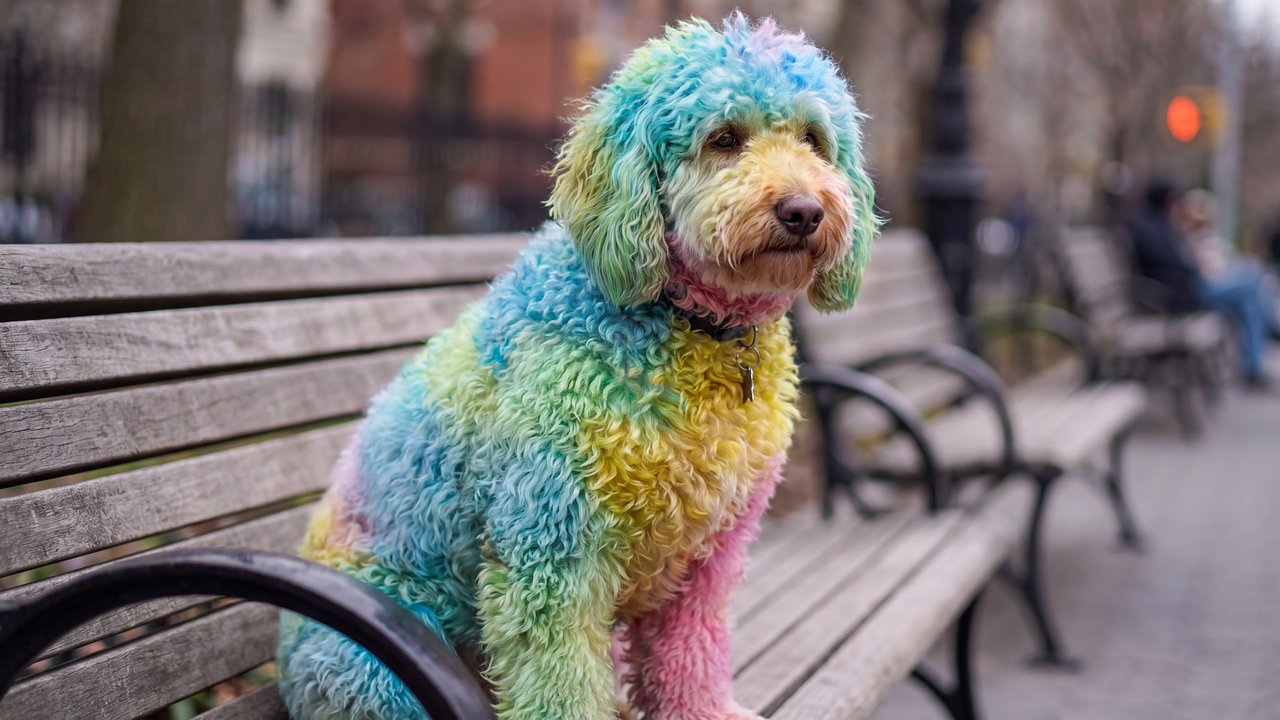
Medium-sized dog
Both languages share the English example images. Japanese prompts are the recorded translations.
A phrase to start with
Directs the image toward material colored with dye.
Appearance and effects
Color and tonal variation that seem absorbed into material may appear.
Visual traits
- absorbed color
- transparency
- tonal variation
Expected changes
- An absorbed-color appearance is more likely to appear
Five examples
1 — Medium-sized dog
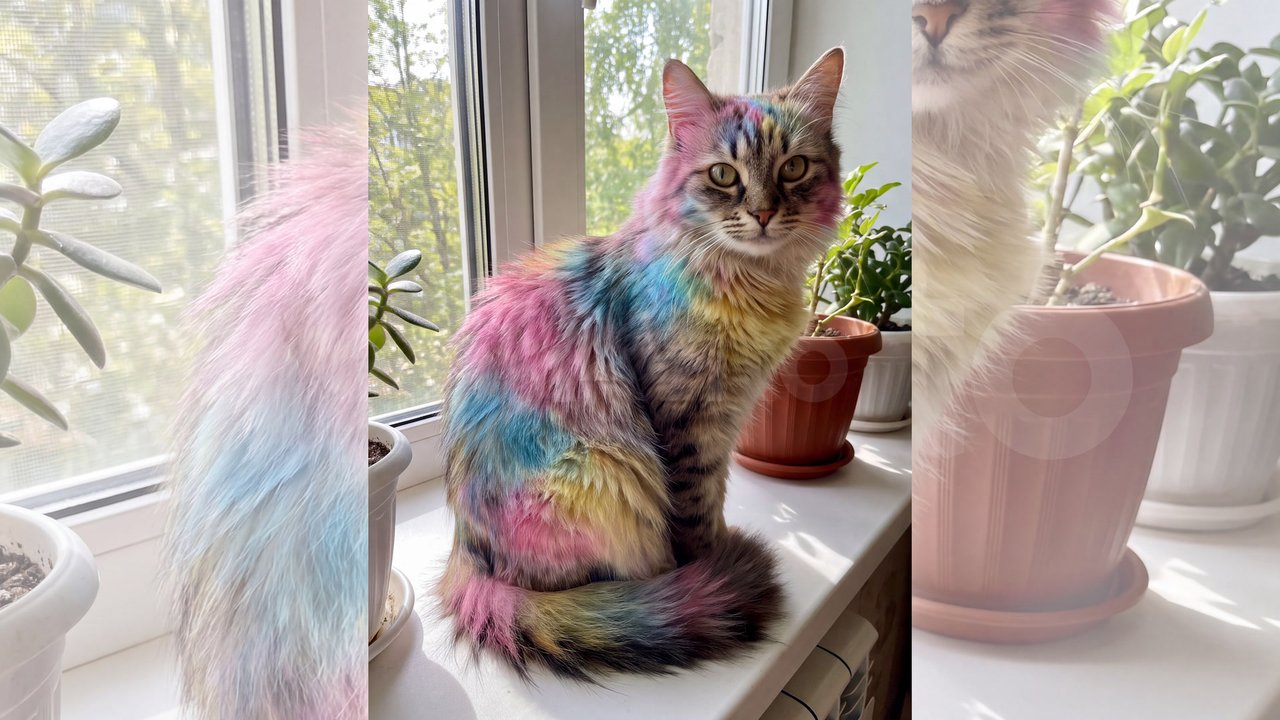
Open image ↗2 — Cat
Open image ↗3 — Teenage boy
Open image ↗4 — Unoccupied interior
Open image ↗5 — Valley with a river and mountain ranges
Open image ↗Meaning and scope
Definition
Dye is a coloring material that penetrates or binds to fibers and related materials to impart color. It does not determine pigment, a dyeing process, a particular dye plant, or a regional textile tradition.
In more detail
It can suggest color carried within fibers, sometimes with transparency or tonal variation. It is distinct from paint, ink, clothing as a subject, and a particular natural dye or cultural technique.
Includes
- Dye material character for coloring fibers and related materials
Excludes
- Pigment
- paint
- dyeing process
- a particular natural dye or tradition
What this does not imply
- A particular dye plant, regional textile tradition, dyeing process, or paint
Variability
Color strength and uptake vary with material and process.
Usage and adjustments
Usage
- Use it as a coloring-material modifier
Distinguish similar expressions
- Specify a particular dyeing technique separately
Typical uses
- Render color absorbed into fiber or material
Possible failure modes
- It becomes thick paint
- It becomes fixed as a particular cultural textile
Content updated:
From the same theme
Items linked through explicit membership in the same theme.