
Concept / Desert region
Desert region
A geographic setting with dry terrain and little precipitation
A geographic setting with dry terrain.

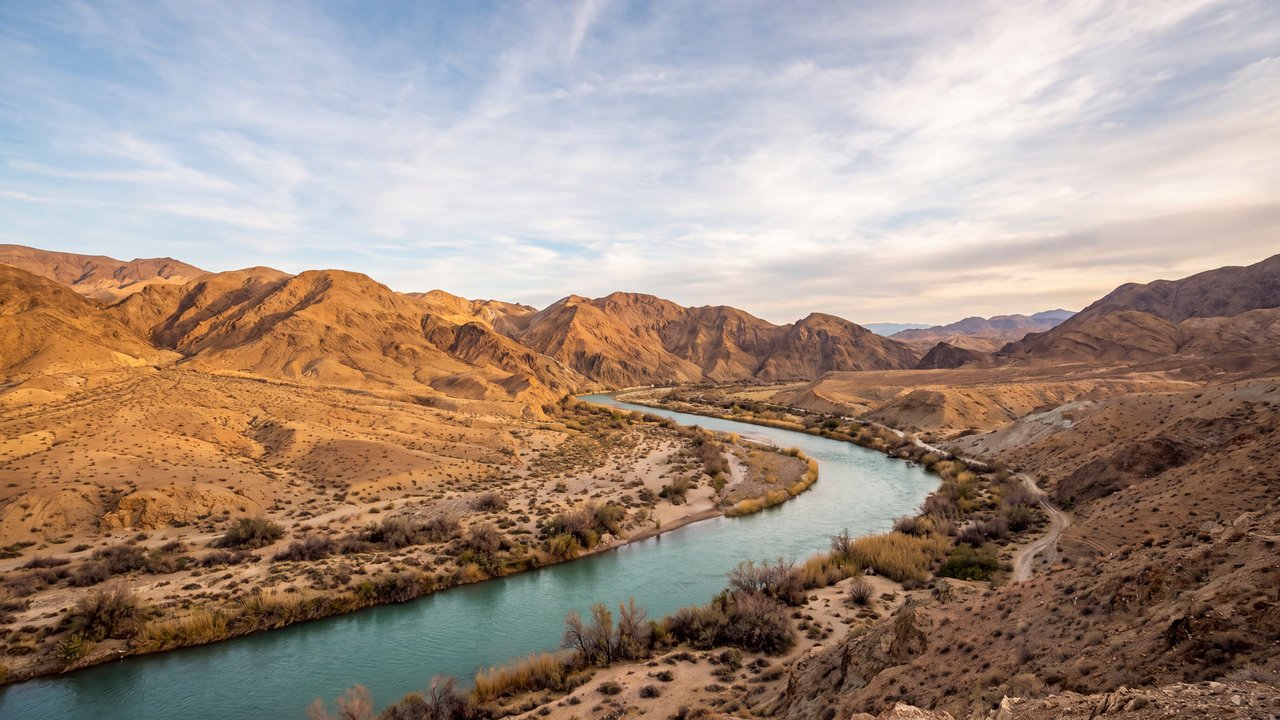
Valley with a river and mountain ranges
Both languages share the English example images. Japanese prompts are the recorded translations.
A phrase to start with
Adds dry terrain to a scene.
Appearance and effects
Dry ground and openness establish the location.
Visual traits
- dry ground
- sparse vegetation
- broad sky
Expected changes
- Dry ground is more likely to appear
- The scene is less likely to read as humid
Five examples
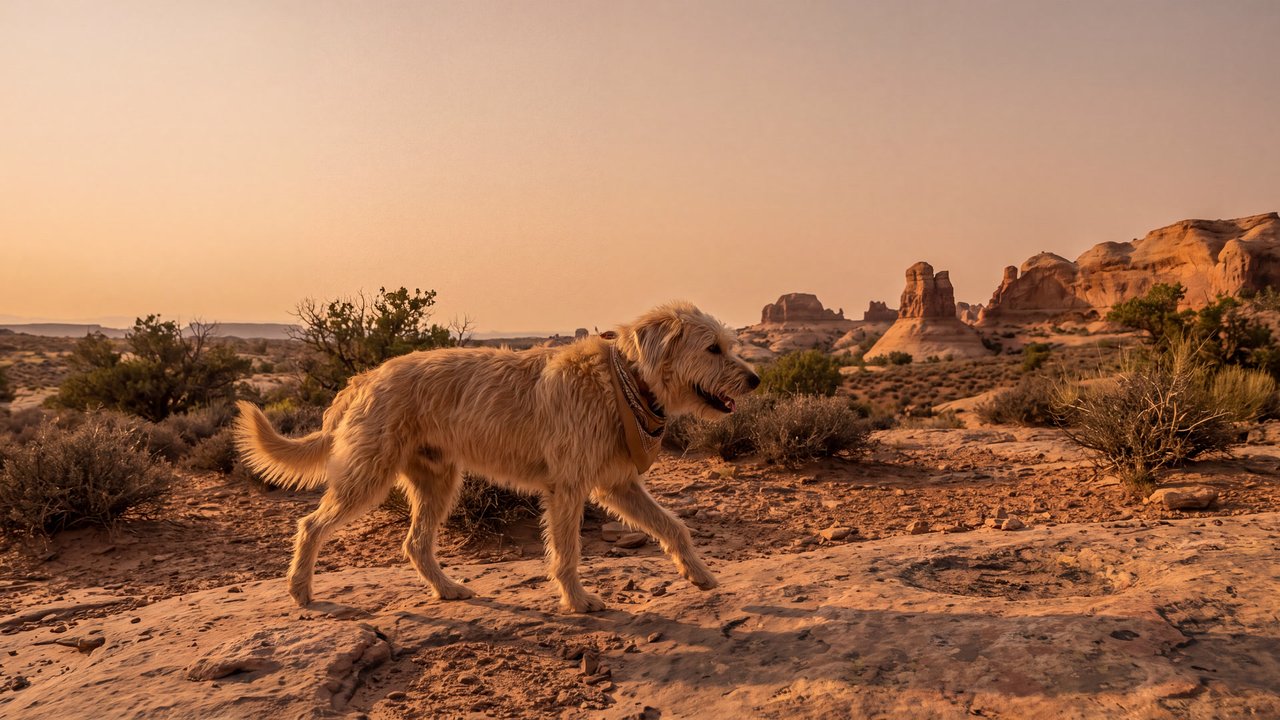
1 — Medium-sized dog
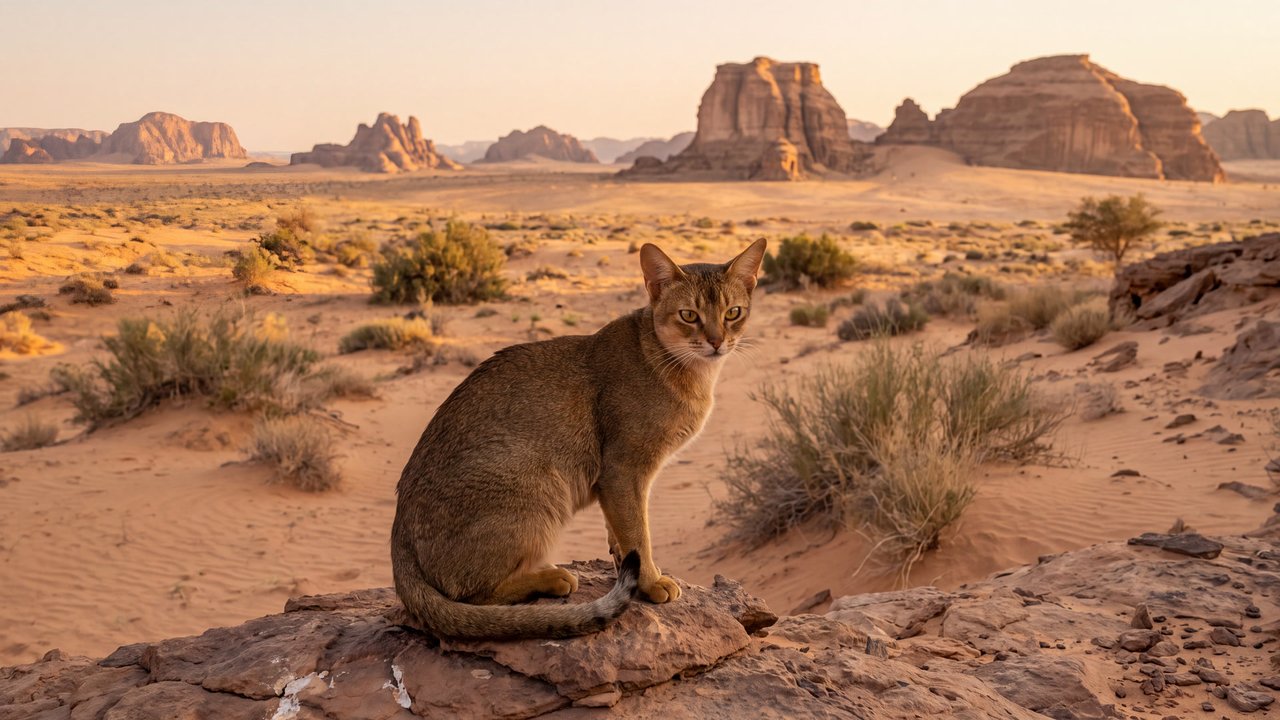
Open image ↗2 — Cat
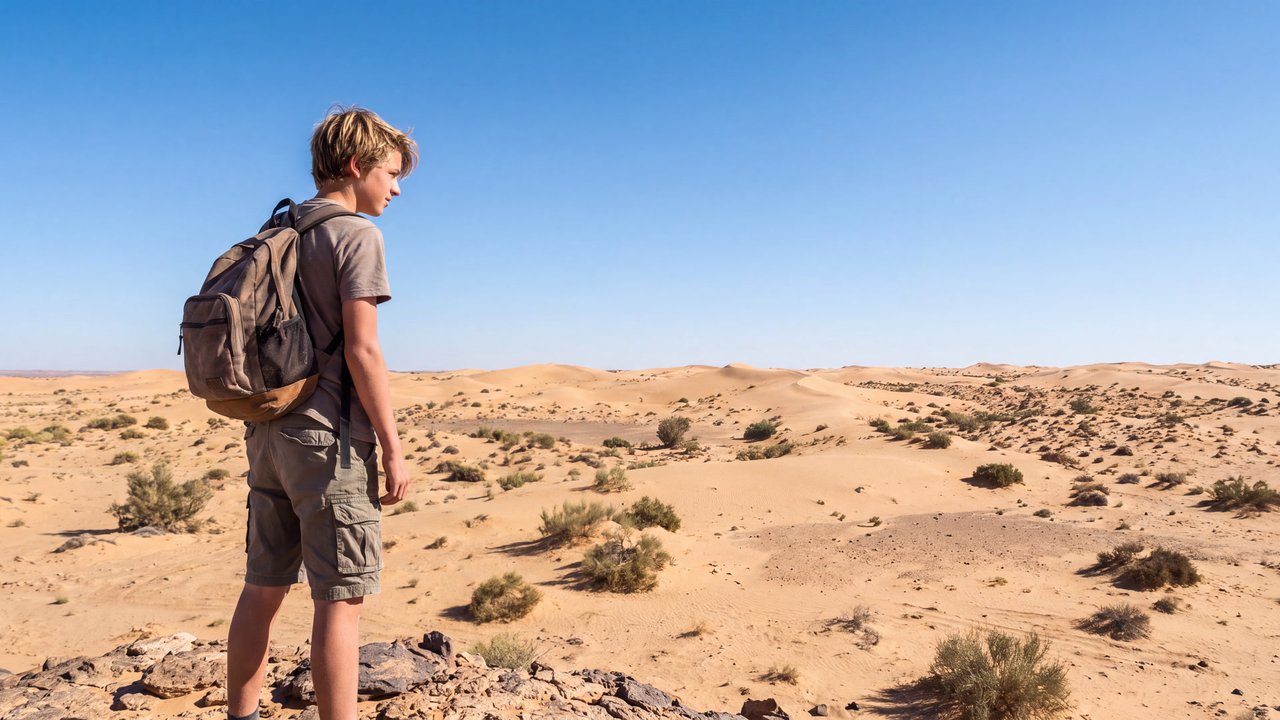
Open image ↗3 — Teenage boy
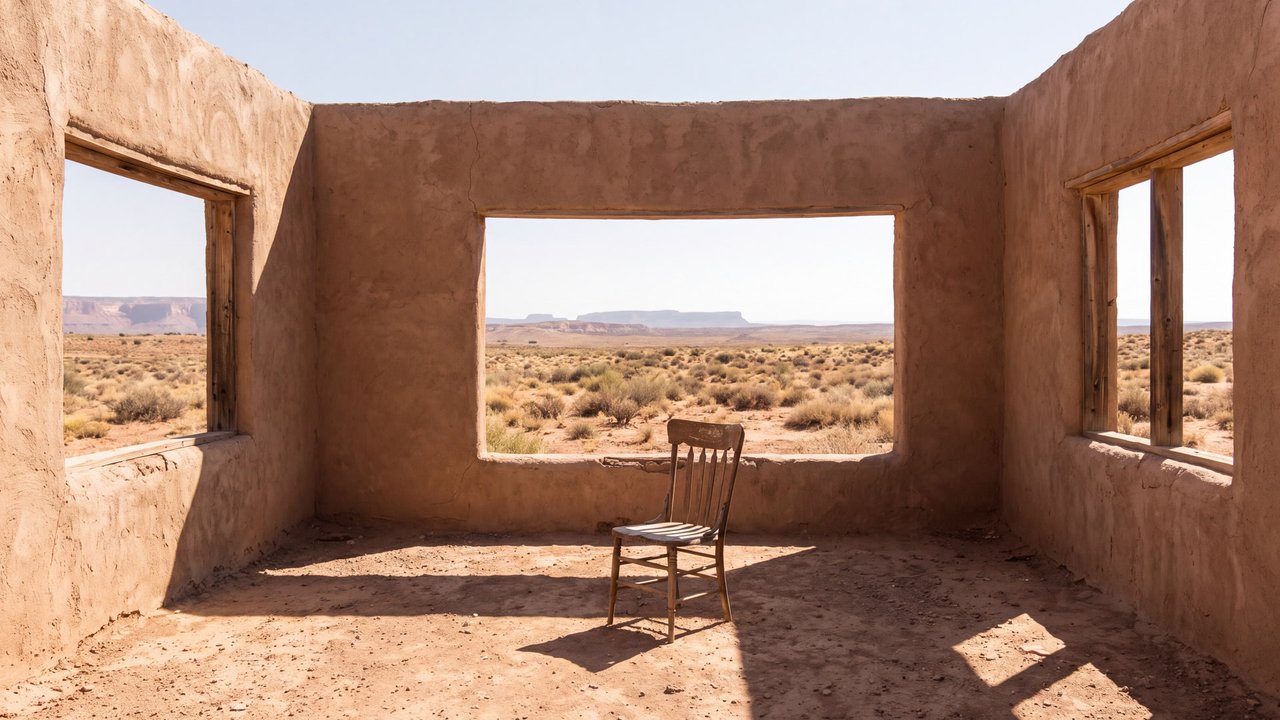
Open image ↗4 — Unoccupied interior
Open image ↗5 — Valley with a river and mountain ranges
Open image ↗Meaning and scope
Definition
Desert region adds dry ground, sparse vegetation, and broad skies to a scene. It does not determine a particular country, culture, residents, clothing, architecture, or means of travel.
In more detail
It indicates dry-region terrain. Surface type such as dunes, rock, or salt flats, along with weather, people, and activity, remain separate choices.
Includes
- Dry ground
- dunes
- rocky terrain
- and sparse vegetation
Excludes
- A particular country or culture
- nomadic life
- clothing
- or architecture
What this does not imply
- A particular regional culture
- ethnicity
- clothing
- occupation
- or person
Variability
The source is a general classification, so it does not substantiate environmental, cultural, or architectural details for a specific desert.
Usage and adjustments
Usage
- Specify only dry terrain
- Specify regional culture and activity separately
Distinguish similar expressions
- When a specific desert is intended
- confirm its name and local details separately
Typical uses
- Set dry terrain
- Distinguish it from a humid landscape
Possible failure modes
- Cues of dryness are weak
- Unspecified cultural symbols are added
Content updated:
From the same theme
Items linked through explicit membership in the same theme.


Valley with a river and mountain ranges
Concept
Ancient era
An era setting placing a fictional world far before the present.
Compare ↗