
Concept / Cubism
Cubism
An early twentieth-century art movement assembling multiple viewpoints and fragmented forms
An early twentieth-century art movement assembling multiple viewpoints and fragmented forms.

Cat
Both languages share the English example images. Japanese prompts are the recorded translations.
A phrase to start with
Directs the image toward visual tendencies of fragmented planes and multiple views.
Appearance and effects
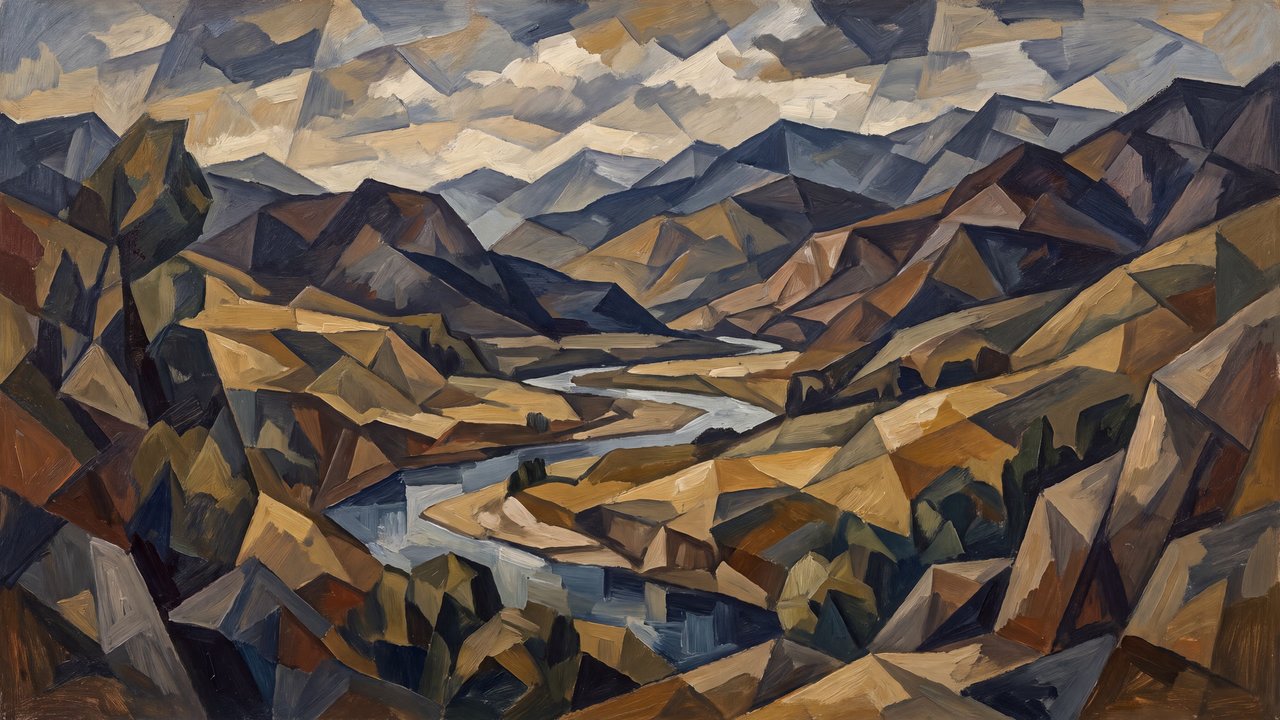
Fragmented forms, overlapping planes, and multiple directional views assemble the frame.
Visual traits
- fragmented forms
- overlapping planes
- shallow space
Expected changes
- Forms are more likely to divide into planes
- Multiple directional views are more likely to overlap
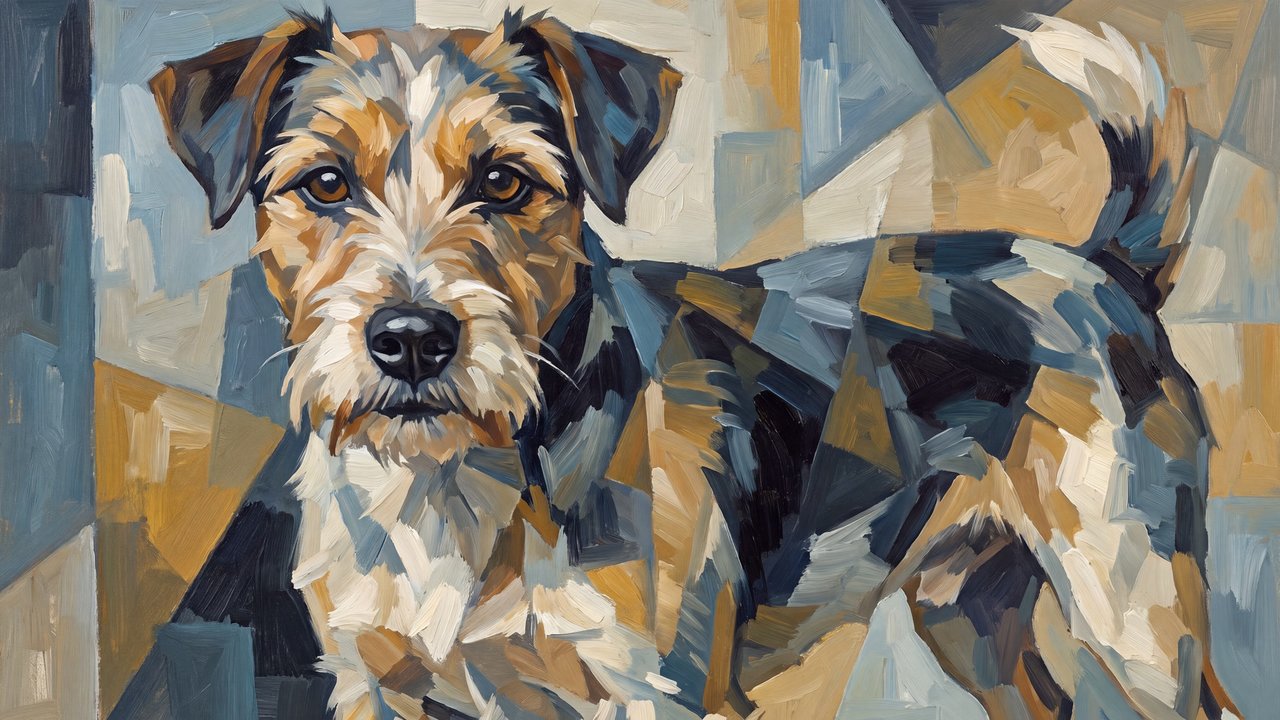
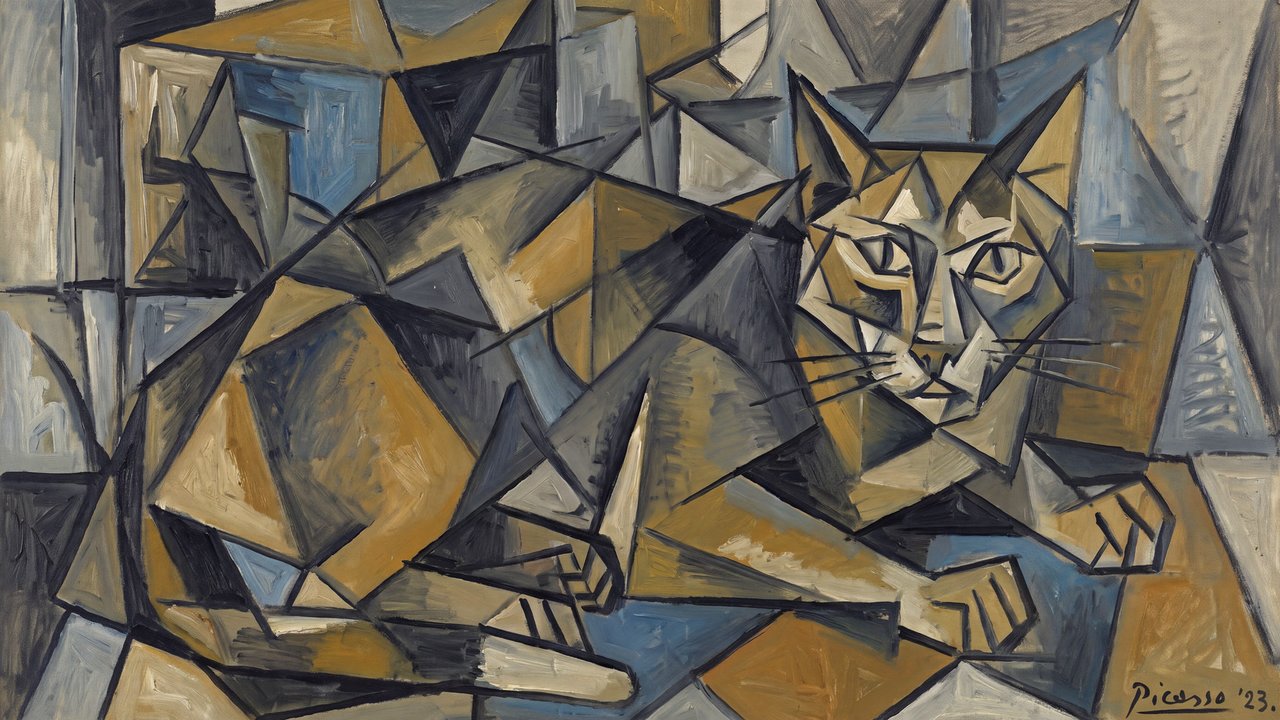
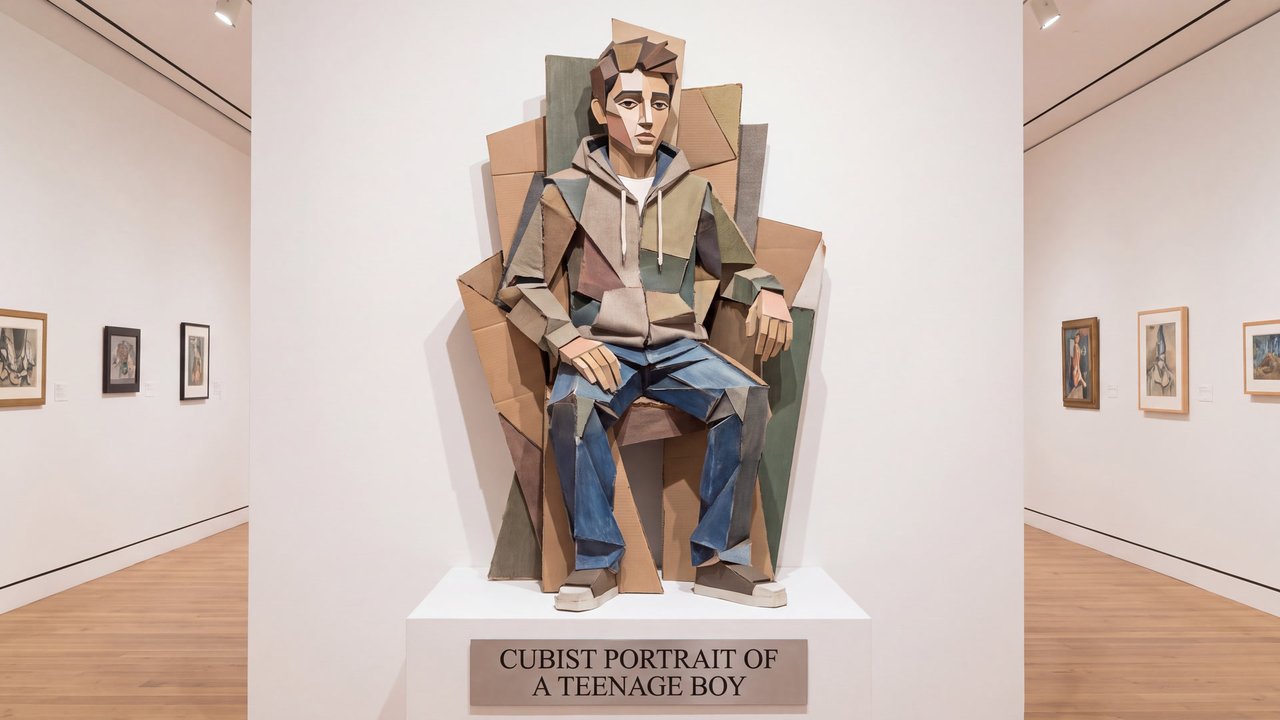
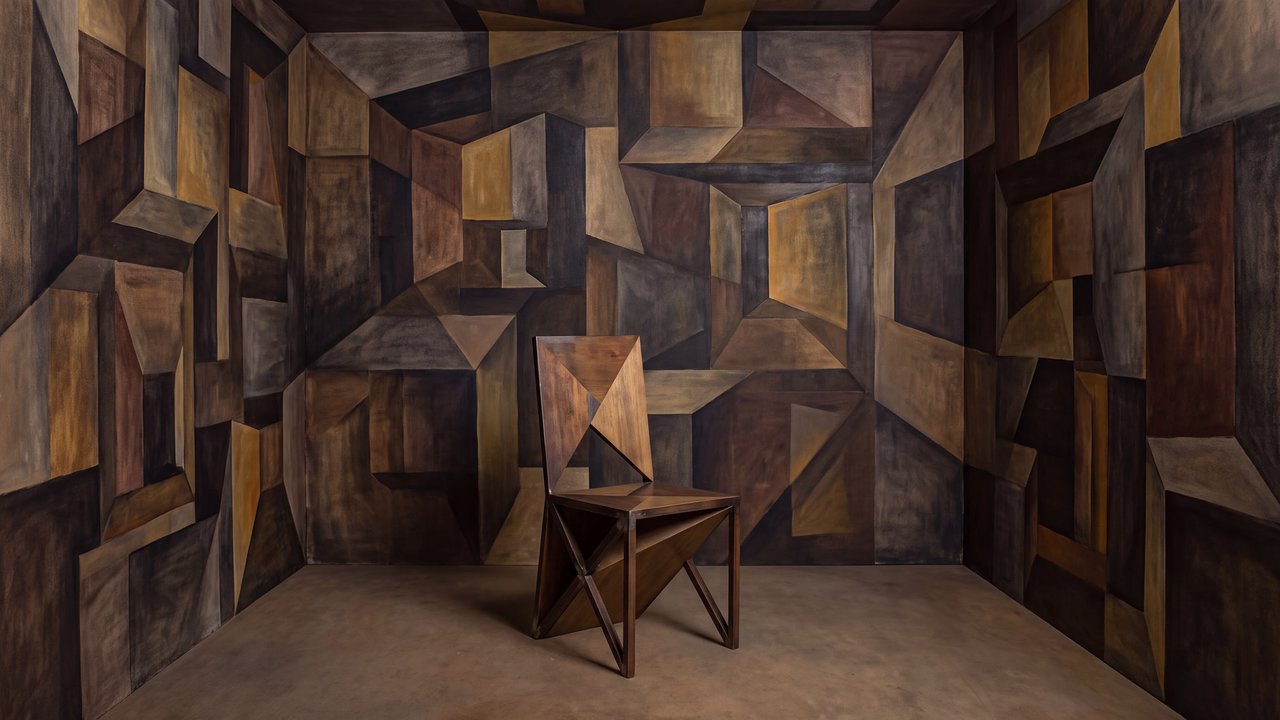
Five examples
1 — Medium-sized dog
Open image ↗2 — Cat
Open image ↗3 — Teenage boy
Open image ↗4 — Unoccupied interior
Open image ↗5 — Valley with a river and mountain ranges
Open image ↗Meaning and scope
Definition
Cubism is an early twentieth-century art movement that assembles fragmented planes or multiple views in one frame rather than representing an object from one viewpoint. It does not determine a particular artist, work, region, or later abstract practice.
In more detail
It constructs subjects through divided form, overlapping planes, shallow space, and multiple directions. The historical movement is distinct from later work that merely uses these visual tendencies.
Includes
- The early twentieth-century Cubist movement
- Visual tendencies using fragmented planes and multiple viewpoints
Excludes
- Imitation of a particular artist or work
- All abstract art
- Representing a culture or region
What this does not imply
- A particular artist
- work
- region
- or exact period recreation
Variability
It does not guarantee direct recreation of the historical movement; fragmentation and spatial shallowness can be adjusted.
Usage and adjustments
Usage
- Show fragmented form and multiple views
- Do not specify an artist or work
Distinguish similar expressions
- Specify period and medium separately for historical reconstruction
Typical uses
- Construct a subject from multiple planes and viewpoints
Possible failure modes
- Result becomes merely abstract and plane relations are unreadable
- Output resembles a named work too closely
Content updated:
From the same theme
Items linked through explicit membership in the same theme.


Cat
Concept
Romanesque Art
A medieval European art style marked by forceful simplified forms and ornamental repetition.
Compare ↗