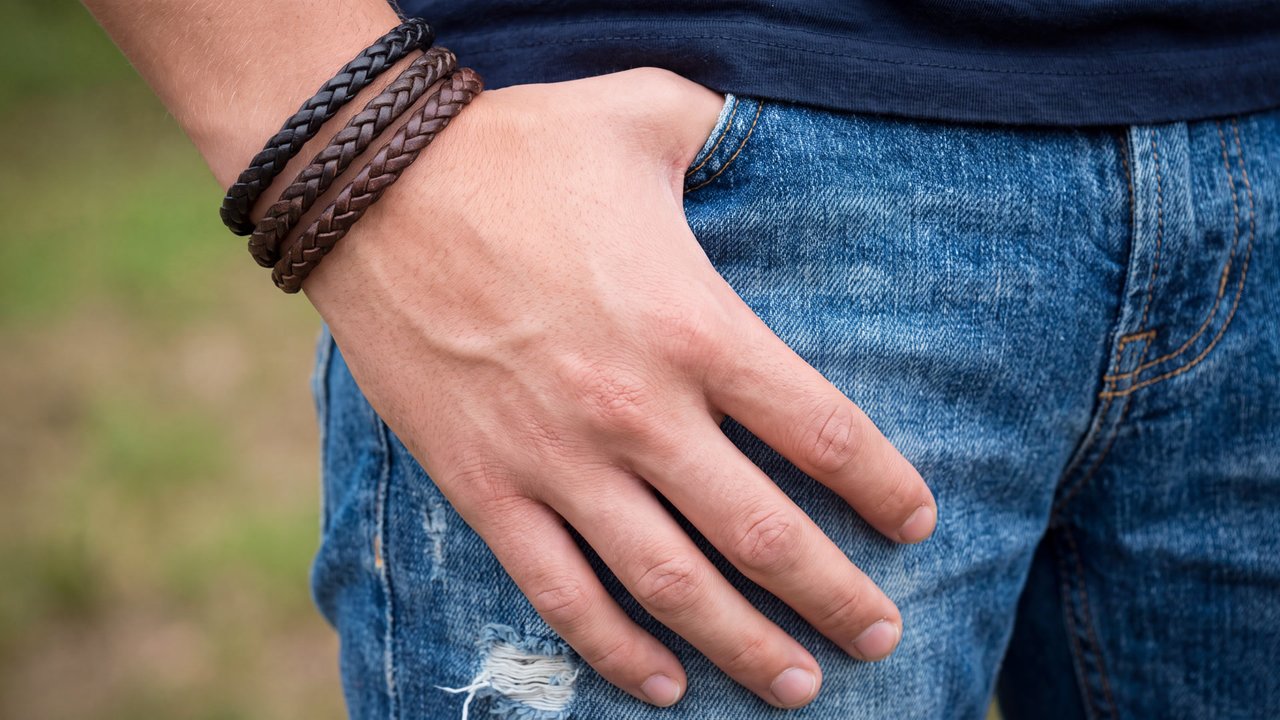
Concept / Body part
Body part
A subject category focused on a localized anatomical part that forms a living body
A subject category focused on a localized anatomical part that forms a living body.

Teenage boy
Both languages share the English example images. Japanese prompts are the recorded translations.
A phrase to start with
Directs safe, non-graphic focus toward one part of a living body.
Appearance and effects
A localized body part, rather than the whole organism, appears as the subject in a safe, non-graphic depiction.
Visual traits
- localized anatomical part
- living body
- focus on one portion
Expected changes
- A localized body part is more likely to become the subject.
- The whole organism is less likely to remain the visual center.
Five examples
1 — Medium-sized dog
Open image ↗2 — Cat
Open image ↗3 — Teenage boy
Open image ↗4 — A living subject in a room without an emphasized body part
An unoccupied quiet scene has no living subject whose body can receive localized focus, so it is replaced with a whole living subject that does not pre-stage any particular part.
a single living subject in a quiet room with its whole body shown naturally and no specific body part emphasized
- a whole living subject without an emphasized body part
- a quiet room
5 — A living subject in a landscape without an emphasized body part
A landscape alone has no living subject whose body can receive localized focus, so it is replaced with a whole living subject that does not pre-stage any particular part.
a single living subject in an open landscape with its whole body shown naturally and no specific body part emphasized
- a whole living subject without an emphasized body part
- an open landscape
Meaning and scope
Definition
Body part is a subject category focused on a localized anatomical part that forms a living body. It does not determine species, a specific part, injury or medicine, amputation, emotion, or symbolism.
In more detail
It concerns making one portion of a living body the subject in a safe, non-graphic way rather than depicting the whole organism. It is distinct from a particular organ, injury, treatment, absence of a body part, emotional expression, and symbolic meaning.
Includes
- A localized anatomical part that forms a living body.
Excludes
- A species.
- A specific body part.
- Injury or medicine.
- Amputation or bodily absence.
- An emotion.
- Symbolism.
What this does not imply
- A species.
- A specific body part.
- Injury or medicine.
- Amputation.
- An emotion.
- Symbolism.
Variability
Part type, visible extent, orientation, and surrounding context can be adjusted separately.
Usage and adjustments
Usage
- Use it to shift focus safely from a whole organism to a localized anatomical part.
Distinguish similar expressions
- Specify species, a particular part, medical or injury context, emotion, or symbolism separately only when needed.
Typical uses
- Specify a localized body part rather than a whole organism as a safe, non-graphic subject.
Possible failure modes
- The whole organism remains the subject.
- It becomes an injury or medical depiction.
- A specific part or symbolic meaning becomes fixed.
Content updated:
From the same theme
Items linked through explicit membership in the same theme.