Concept / Armor
Armor
Worn equipment intended to protect part or all of a body from physical impact or contact
Worn equipment intended to protect part or all of a body from physical impact or contact.

Teenage boy
Both languages share the English example images. Japanese prompts are the recorded translations.
A phrase to start with
Gives a subject the visible form of worn equipment intended for bodily protection.
Appearance and effects
A structure designed for protection is visible as worn equipment on the body's surface.
Visual traits
- protective construction
- worn bodily form
- defined protective coverage
Expected changes
- The subject is more likely to read as wearing protective equipment
Five examples
1 — Medium-sized dog
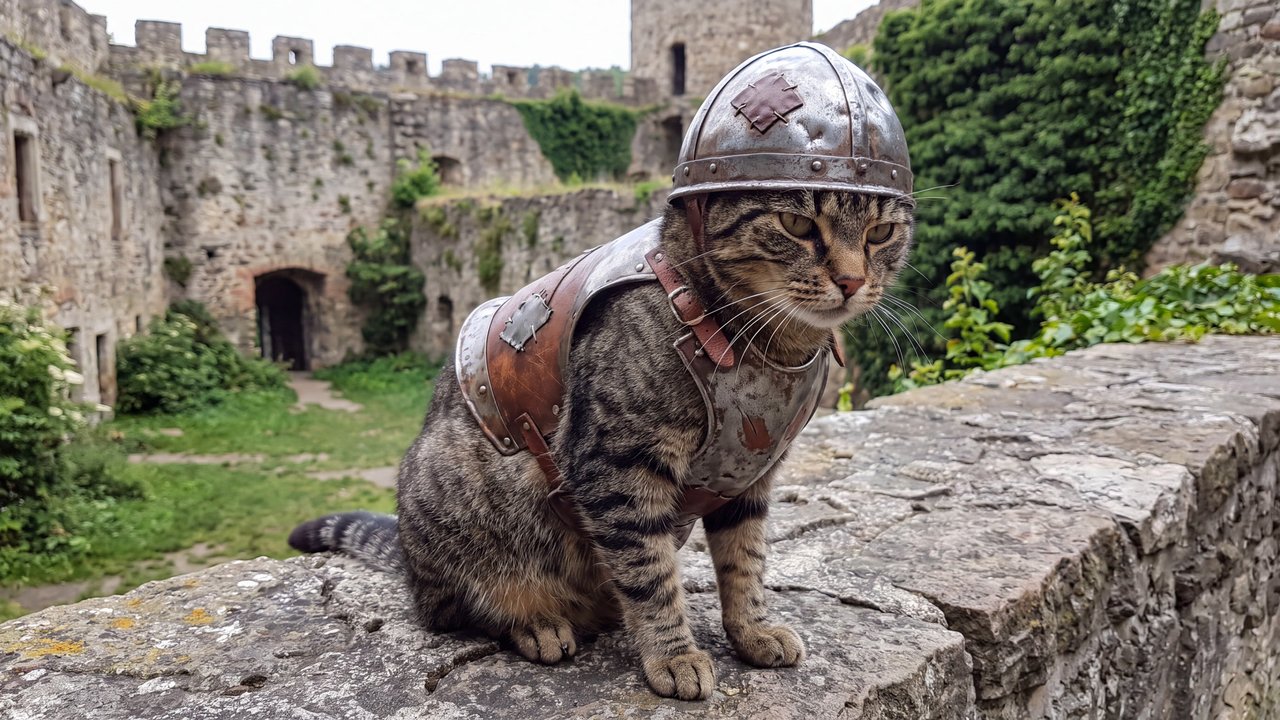
Open image ↗2 — Cat
Open image ↗3 — Teenage boy
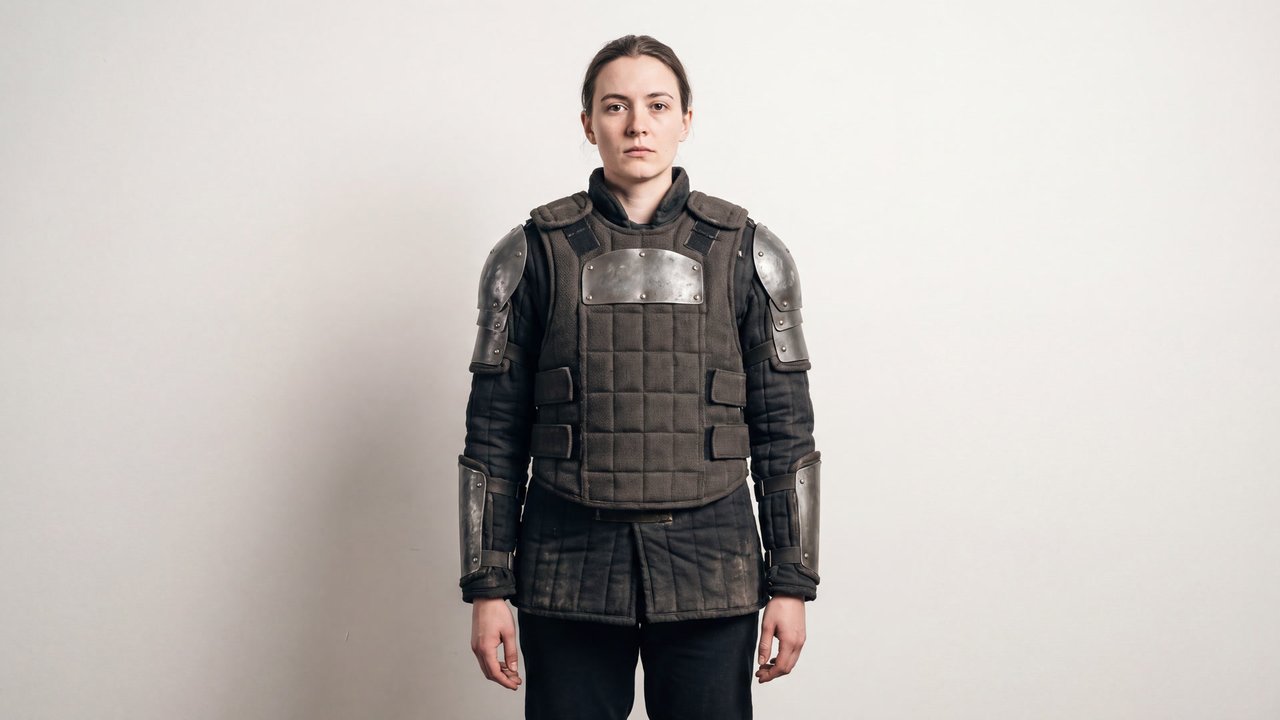
Open image ↗4 — A neutral standing person against a plain background
The standard unoccupied-room comparison motif is an unoccupied interior with no wearer, so it is replaced with a neutral person who can receive armor without pre-staging protective gear.
One neutral person standing against a plain background with arms naturally lowered and no indicated protective gear, weapon, uniform, activity, era, or culture.
- One neutral person with no indicated protective gear or role.
- A state with no weapon and arms naturally lowered.
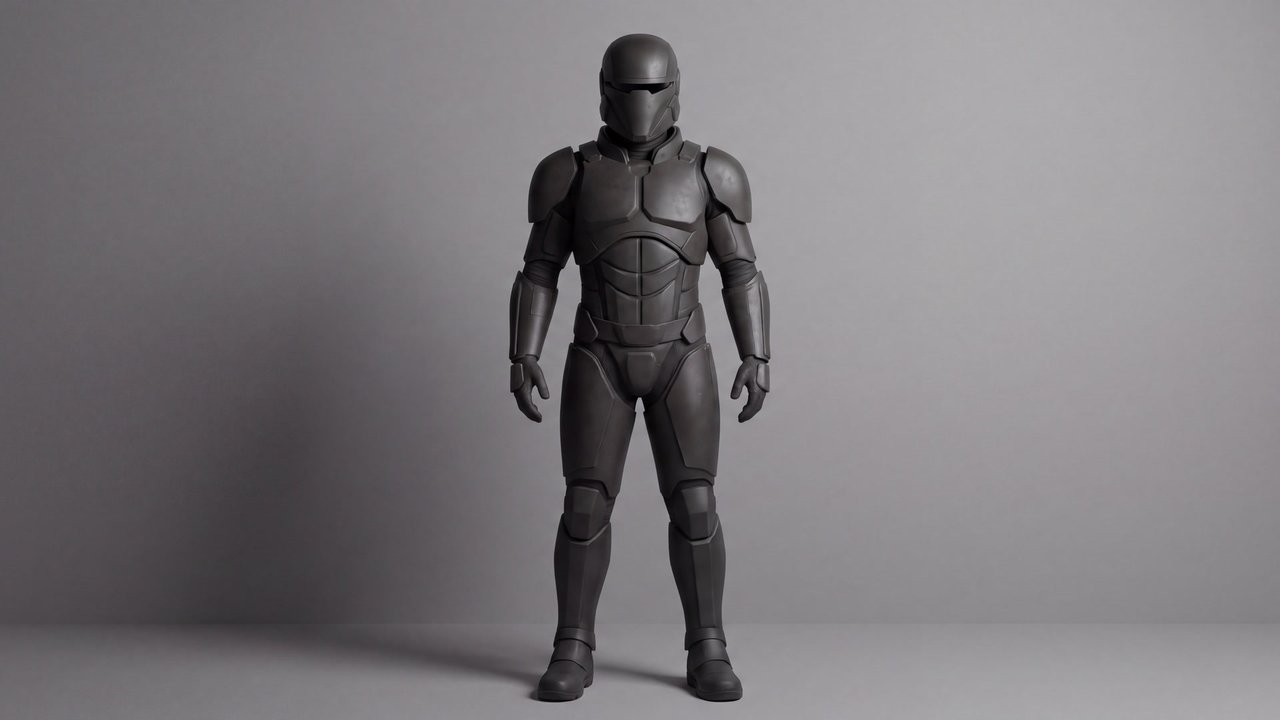
5 — A neutral standing person against a plain background
The standard landscape comparison motif has no wearer, so it is replaced with a neutral person who can receive armor without pre-staging protective gear.
One neutral person standing against a plain background with arms naturally lowered and no indicated protective gear, weapon, uniform, activity, era, or culture.
- One neutral person with no indicated protective gear or role.
- A state with no weapon and arms naturally lowered.
Meaning and scope
Definition
Armor is worn equipment intended to protect part or all of a body from physical impact or contact. It does not determine a weapon, combat, occupation, rank, a particular era, region, culture, material, or the wearer's identity.
In more detail
It concerns the visible form of equipment worn for bodily protection. It is distinct from clothing or adornment that serves appearance alone, weapons held in the hand, and the action of fighting. Armor alone does not infer military activity, a historical role, danger, violence, or the style of a particular culture. The coverage, construction, material, and use can be specified separately.
Includes
- Worn equipment intended to protect part or all of a body from physical impact or contact
Excludes
- A weapon, combat, occupation, rank, a particular era, region, culture, material, or the wearer's identity
- Clothing or adornment for appearance alone, an item held in the hand, or an action of use
What this does not imply
- A weapon, combat, occupation, rank, a particular era, region, culture, material, or the wearer's identity
Variability
Protective coverage, construction, material, color, wearer, and activity can be adjusted separately.
Usage and adjustments
Usage
- Use it as worn protective equipment without automatically adding weapons, combat, or a particular historical style
Distinguish similar expressions
- Specify weapons, activity, coverage, material, color, or an era or cultural style separately only when needed
Typical uses
- Give a human or animal subject the visible form of worn protective equipment
Possible failure modes
- Weapons or a combat scene are added as requirements
- The result is fixed to a particular military organization, era, or culture without support
- It becomes merely decorative clothing and no protective function is readable
Content updated:
From the same theme
Items linked through explicit membership in the same theme.