Concept / Anthropomorphic anatomy
Anthropomorphic anatomy
A morphological feature that gives a nonhuman subject a humanlike torso, limbs, upright stance, or similar anatomy
A morphological feature that gives a nonhuman subject a humanlike torso, limbs, upright stance, or similar anatomy.

A nonhuman subject in a natural posture
A boy already has human anatomy and cannot be compared with an effect that humanizes a nonhuman body, so it is replaced with a nonhuman subject that does not pre-stage humanlike anatomy.
Both languages share the English example images. Japanese prompts are the recorded translations.
A phrase to start with
Directs the body structure of a nonhuman subject toward a humanlike form.
Appearance and effects
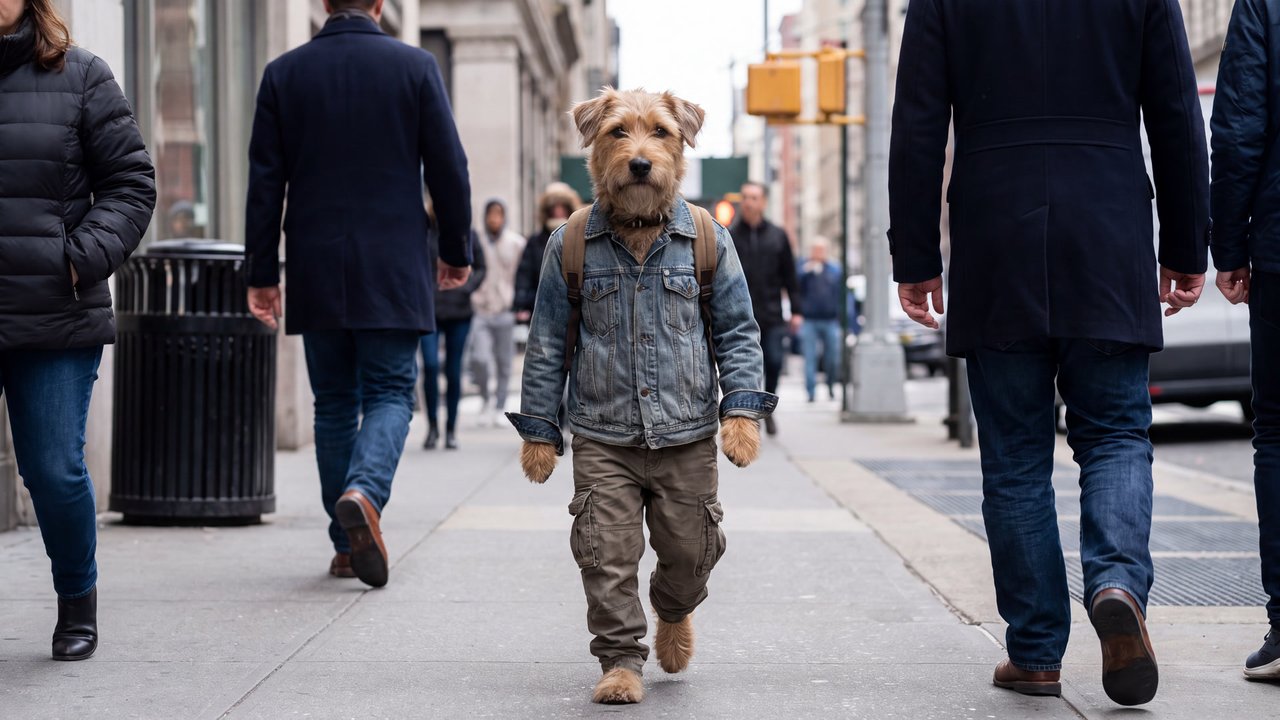
A nonhuman subject has a humanlike torso, limbs, or upright bodily stance.
Visual traits
- nonhuman subject
- humanlike torso or limbs
- upright body structure
Expected changes
- Humanlike torsos or limbs are more likely to appear.
- An upright bodily stance is more likely to appear.
Five examples
1 — Medium-sized dog
Open image ↗2 — Cat
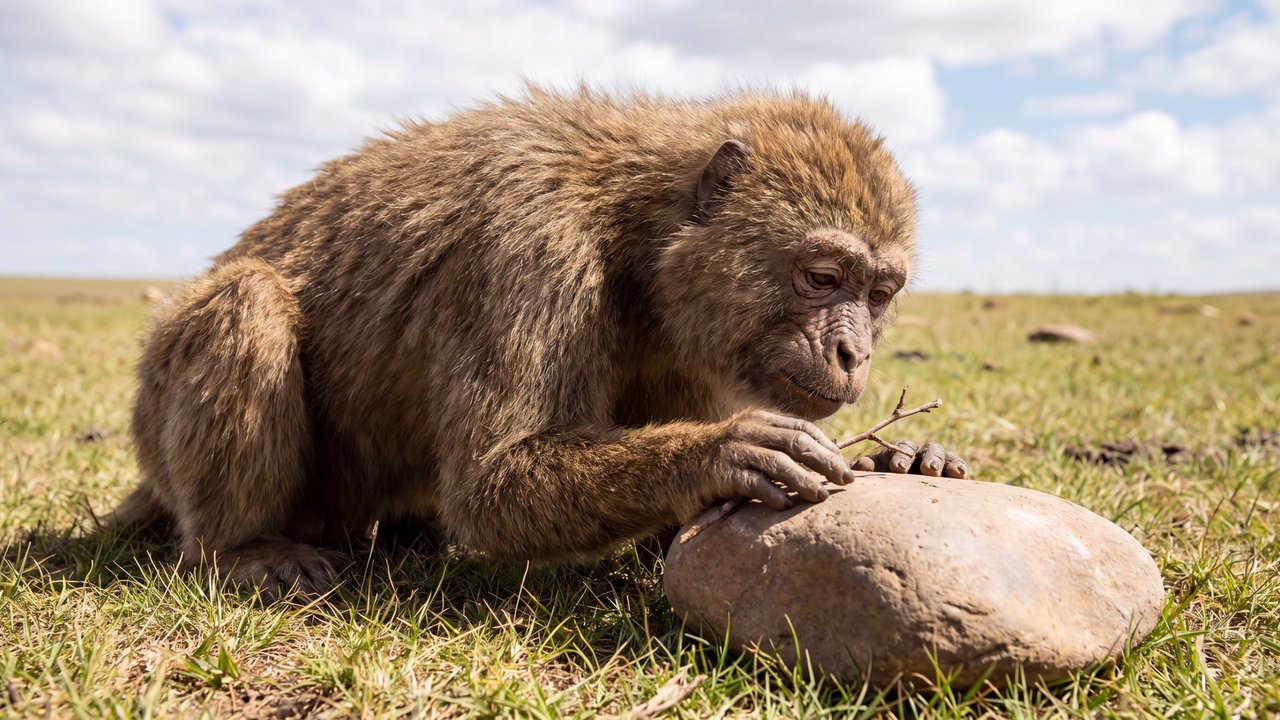
Open image ↗3 — A nonhuman subject in a natural posture
A boy already has human anatomy and cannot be compared with an effect that humanizes a nonhuman body, so it is replaced with a nonhuman subject that does not pre-stage humanlike anatomy.
a nonhuman animal subject of unspecified species in an open area, without a humanlike torso, limbs, or upright stance
- a nonhuman animal subject of unspecified species without humanlike anatomy
- an open area
4 — A nonhuman subject in a quiet room
An unoccupied quiet scene has no nonhuman subject to receive the morphology, so it is replaced with a scene containing a nonhuman subject that does not pre-stage humanlike anatomy.
a nonhuman animal subject of unspecified species in a quiet room, without a humanlike torso, limbs, or upright stance
- a nonhuman animal subject of unspecified species without humanlike anatomy
- a quiet room
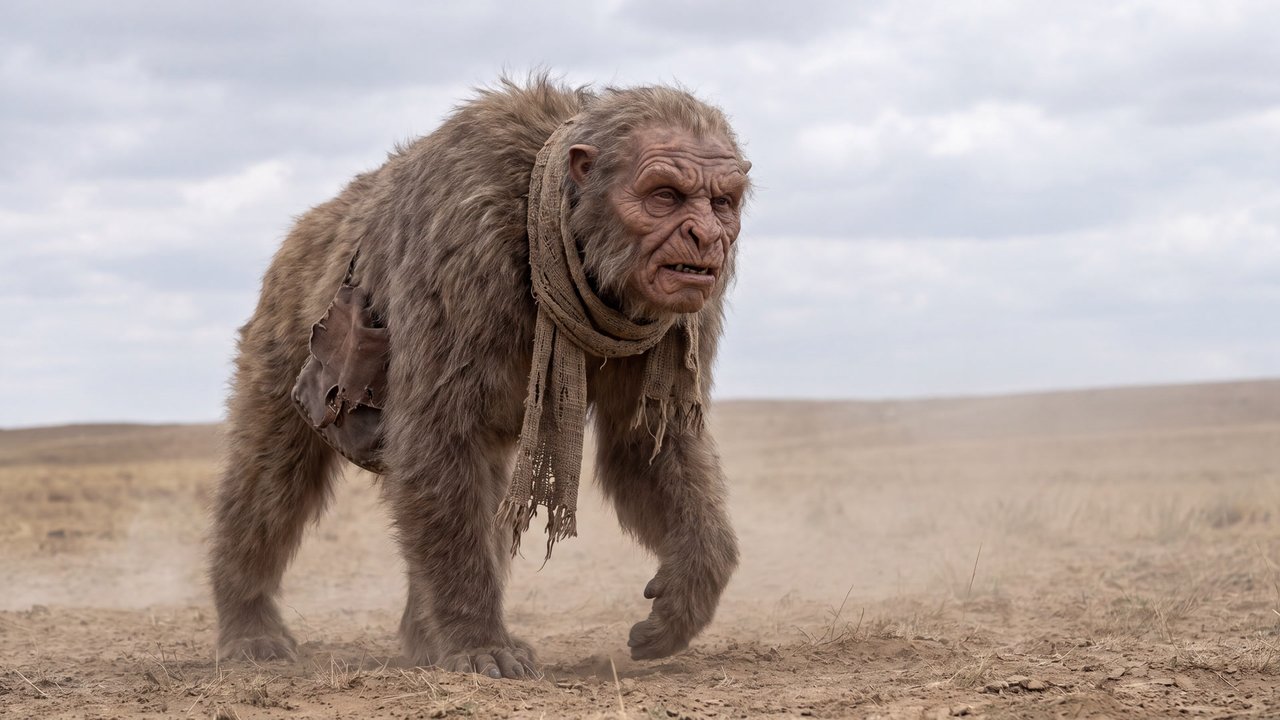
5 — A nonhuman subject in an open landscape
A landscape alone has no nonhuman subject to receive the morphology, so it is replaced with a scene containing a nonhuman subject that does not pre-stage humanlike anatomy.
a nonhuman animal subject of unspecified species in an open landscape, without a humanlike torso, limbs, or upright stance
- a nonhuman animal subject of unspecified species without humanlike anatomy
- an open landscape
Meaning and scope
Definition
Anthropomorphic anatomy is a morphological feature that gives a nonhuman subject a humanlike torso, limbs, upright stance, or similar anatomy. It does not determine personality, emotion, clothing, occupation, species, culture, or realism.
In more detail
It concerns shifting the body structure of a nonhuman subject toward a humanlike form. It is distinct from a human person, clothing or role, expression, narrative personality, and a particular species or cultural design.
Includes
- Body structure that gives a nonhuman subject a humanlike torso, limbs, upright stance, or similar anatomy.
Excludes
- A human person.
- Personality or emotion.
- Clothing or occupation.
- A particular species.
- A cultural design.
- A level of realism.
What this does not imply
- A personality.
- An emotion.
- Clothing.
- An occupation.
- A particular species.
- A culture.
- A level of realism.
Variability
The degree of humanlike anatomy, torso or limb form, and stance can be adjusted separately.
Usage and adjustments
Usage
- Use it only to make a nonhuman subject's body structure more humanlike.
Distinguish similar expressions
- Specify clothing, role, emotion, species, culture, or realism separately only when needed.
Typical uses
- Give a nonhuman animal subject a humanlike body structure.
Possible failure modes
- It becomes a human person.
- Clothing or an occupation is added automatically.
- A particular species or cultural meaning becomes fixed.
Content updated:
From the same theme
Items linked through explicit membership in the same theme.