

Cat
Concept
Cottagecore
A contemporary aesthetic that softly idealizes rustic living gardens and handcraft.
Compare ↗Concept / Angular form language
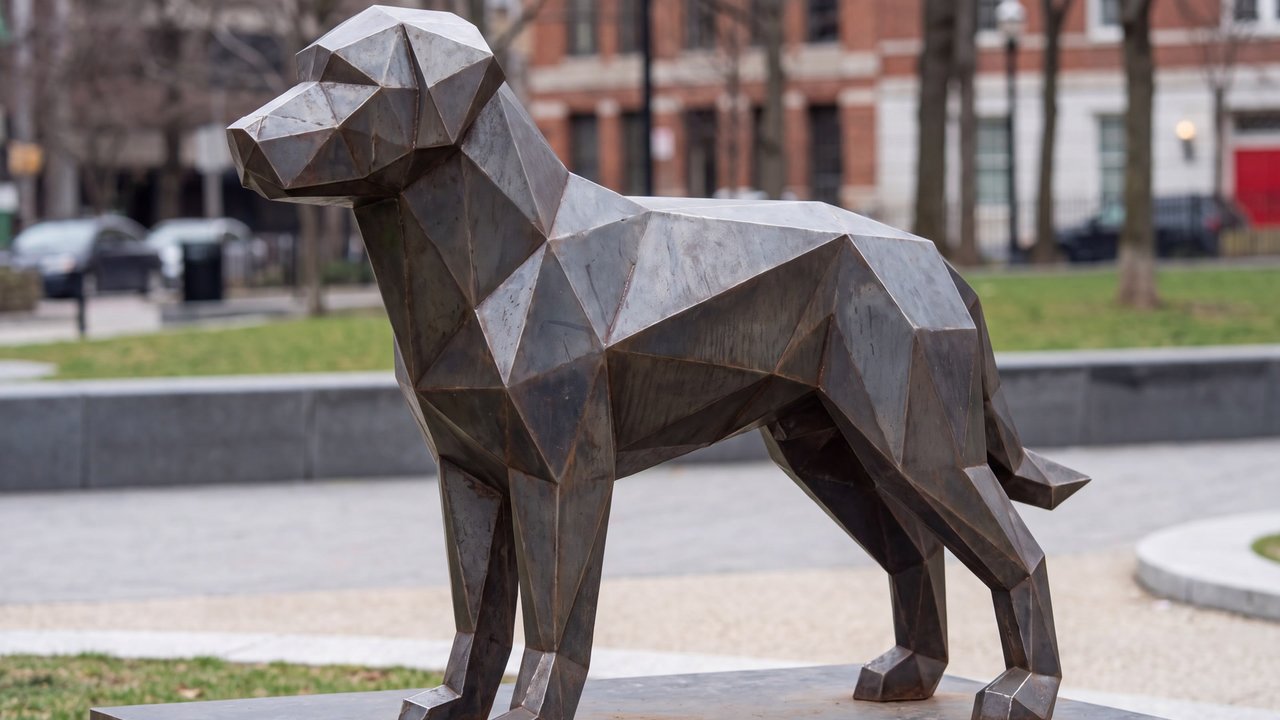
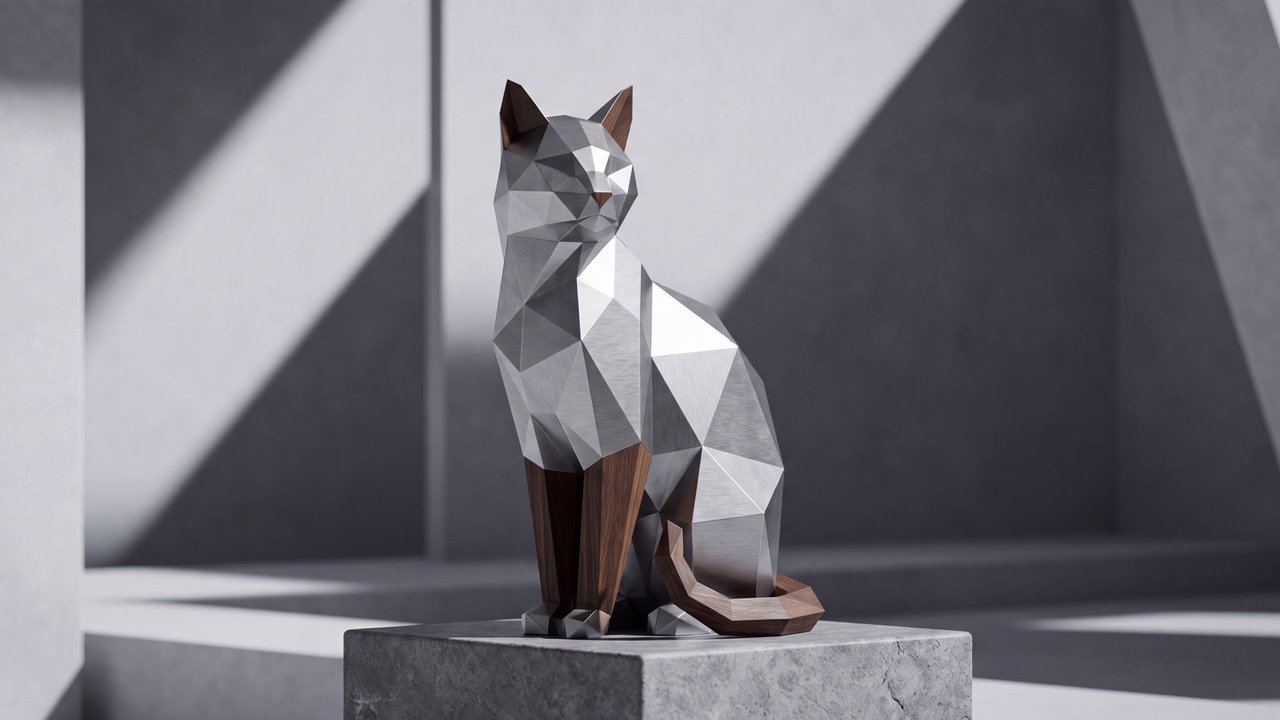
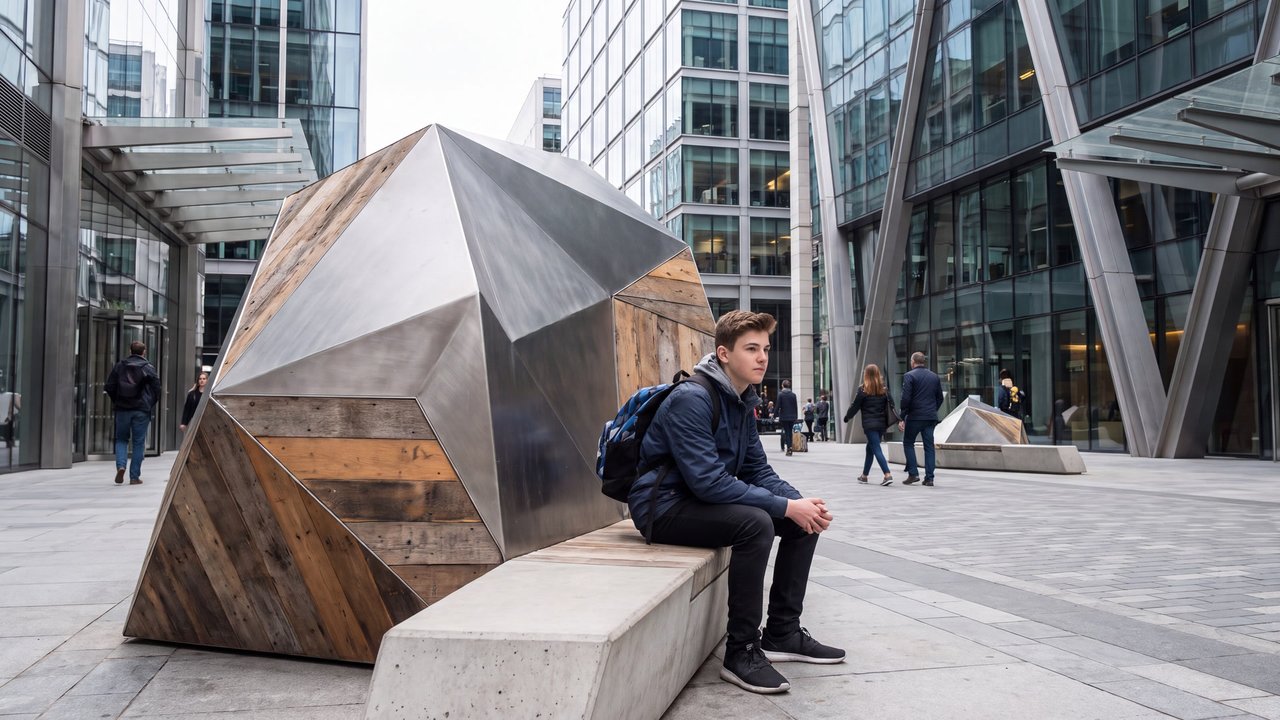
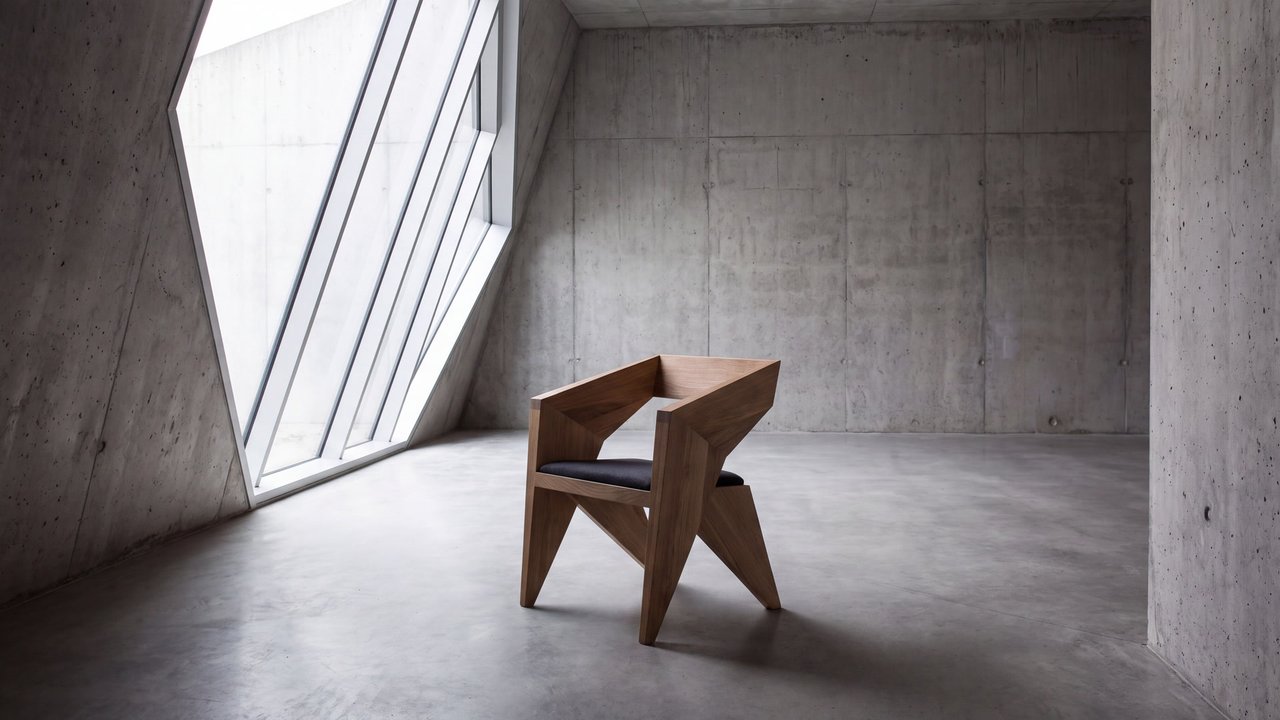
A visual language building forms from sharp corners straight lines and broken contours
A visual language building forms from sharp corners straight lines and broken contours.

Cat
Both languages share the English example images. Japanese prompts are the recorded translations.
Builds forms with angular contours and planes.
Creates hard clear contours through sharp corners and straight lines.
It uses sharp corners straight lines and broken contours. It does not determine technique composition medium or subject.
It emphasizes cornered transitions between planes to create hard clear contours. Other conditions remain separate choices.
Because the source is general, angularity may vary by output.
Content updated:
Items linked through explicit membership in the same theme.
Cat
Concept
A contemporary aesthetic that softly idealizes rustic living gardens and handcraft.
Compare ↗

Cat
Concept
A contemporary aesthetic combining old places of learning books and restrained darkness.
Compare ↗